Spelt Flour: What It Is, Health Benefits, and How to Bake with It
Spelt is an ancient grain that is a flavorful, nutrient-rich alternative to modern wheat. If you’ve ever wondered how to use Spelt flour in your baking, in this post I will cover not only how to use it, but why you would want to add this amazing grain to your repertoire.
In this post, we will explore what Spelt flour is, baking with Spelt flour, how Spelt compares to modern day wheat, the benefits of Spelt.
This post contains affiliate links. I may make a small commission on sales at no extra cost to you. As an Amazon Associate, I make commissions on qualifying purchases
What is Spelt Flour?
- Spelt flour is made from the grain, Triticum spelta, an ancient wheat variety.
- High in Protein, Fiber, and Nutrients.
- While Spelt is an ancient grain, it can build gluten fairly well making it a great “first ancient grain” for beginner Fresh Milled bakers!
Is Spelt the same as Wheat?
Yes, Spelt is a variety of wheat and contains gluten. Therefore, it is NOT SUITABLE for people with CELIAC DISEASE.
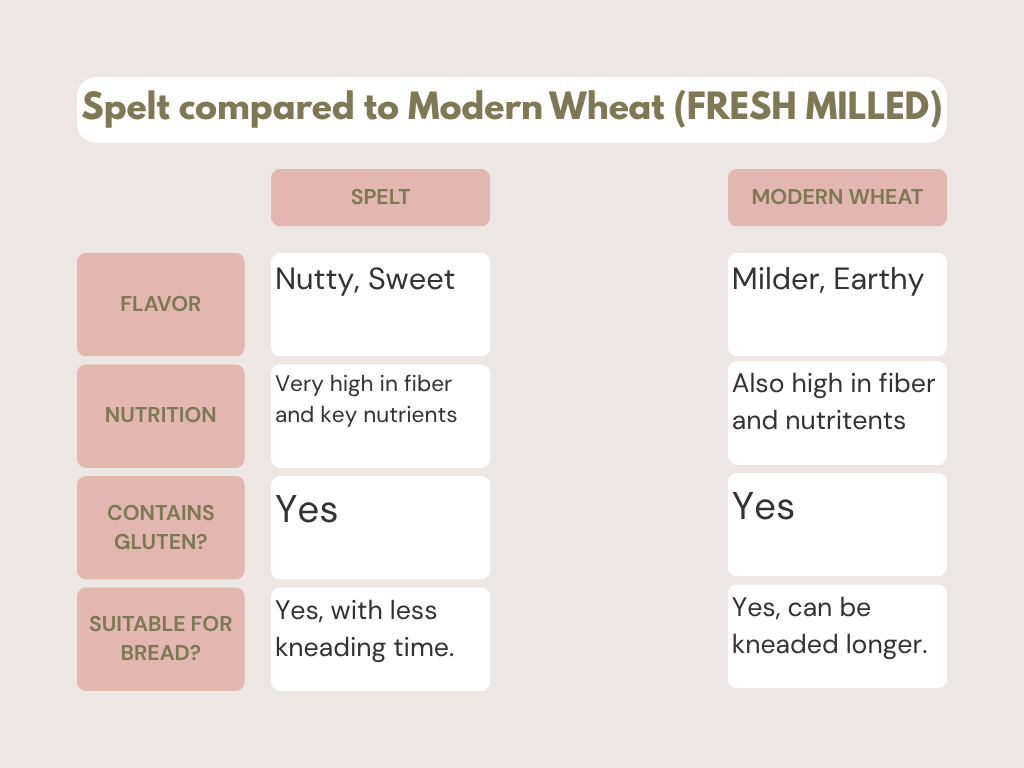
Here is a simple comparison to Modern Day Hard Wheat
Health Benefits of Fresh Milled Spelt Flour
Serving=1 cup cooked grain
- 91% of Manganese daily value per serving
- 23% Phosphorus daily value per serving
- 7.6 grams of Fiber per serving
- 10.7 grams of Protein per serving
- No Cholesterol
There are far more nutrients available in Fresh Milled Spelt Flour. These are just a few notable nutrients.
Some people report that they find spelt easier to digest than modern wheat, although everyone is different and scientific research is still evolving. Since spelt is still a form of wheat, it is not suitable for anyone with celiac disease.
Fresh Milled vs Store Bought Flour
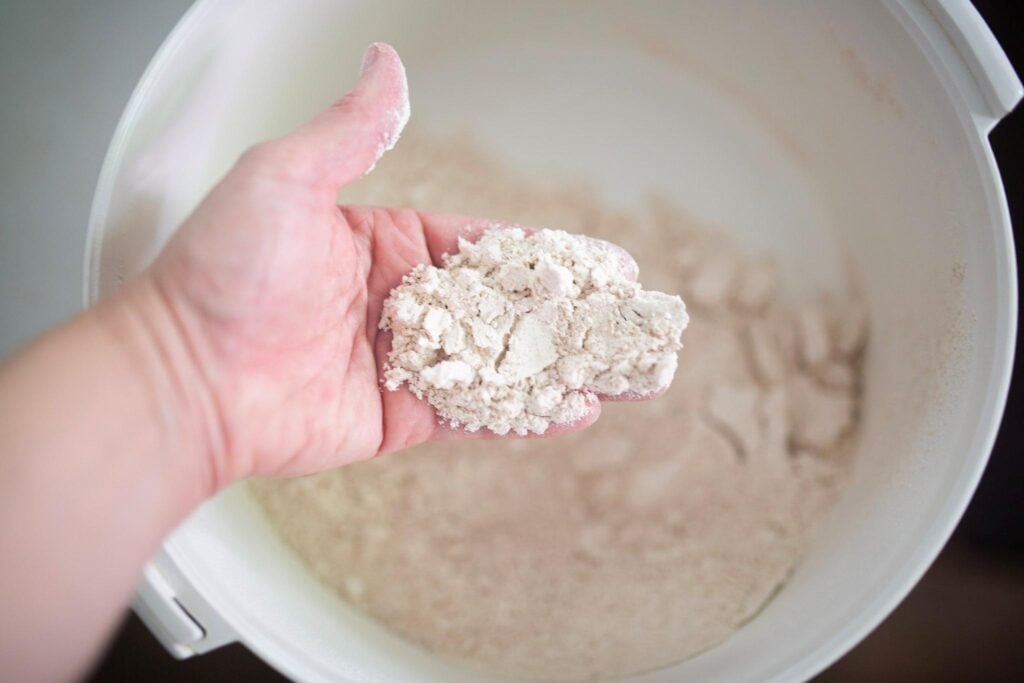
Because fresh milled Spelt flour retains all the nutrients and fiber from the bran and germ, it is far superior to store bought Spelt all-purpose flour.
Store bought flour is sifted of the bran and germ essentially removing all of the nutritional value.
Another consideration is the flavor profiles. Fresh Milled Spelt has amazing flavor while the store-bought variety is extremely mild in flavor.
For these reasons, I highly suggest using Fresh Milled Whole Grain Spelt Flour.
What does Spelt flour taste like?
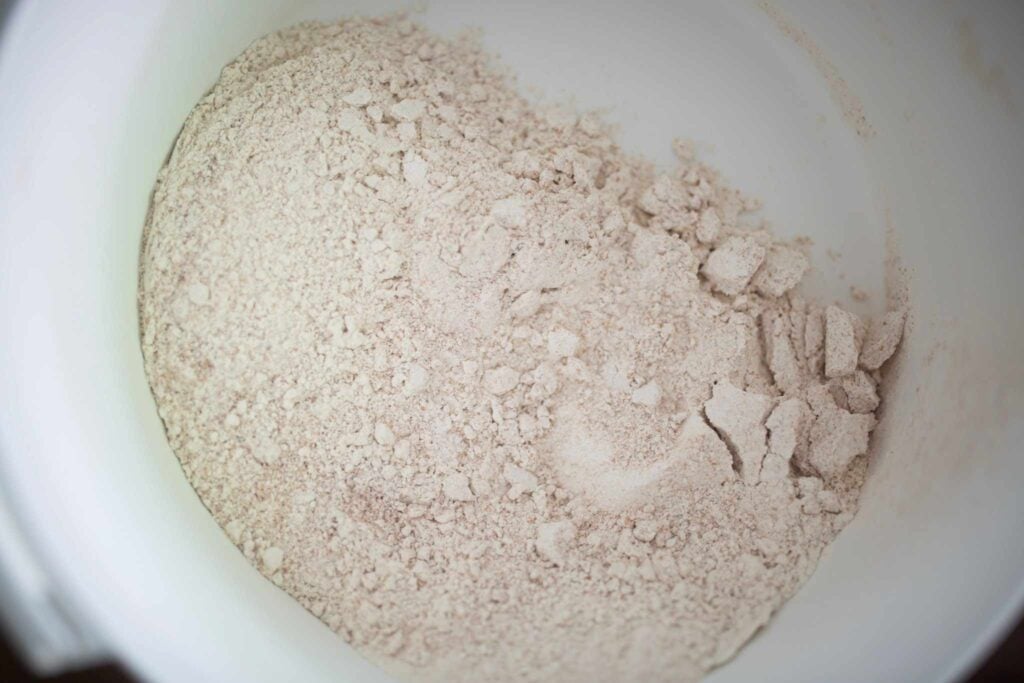
Spelt (fresh milled) has a nutty, sweet flavor with a beautiful golden color. It has also been described as earthy.
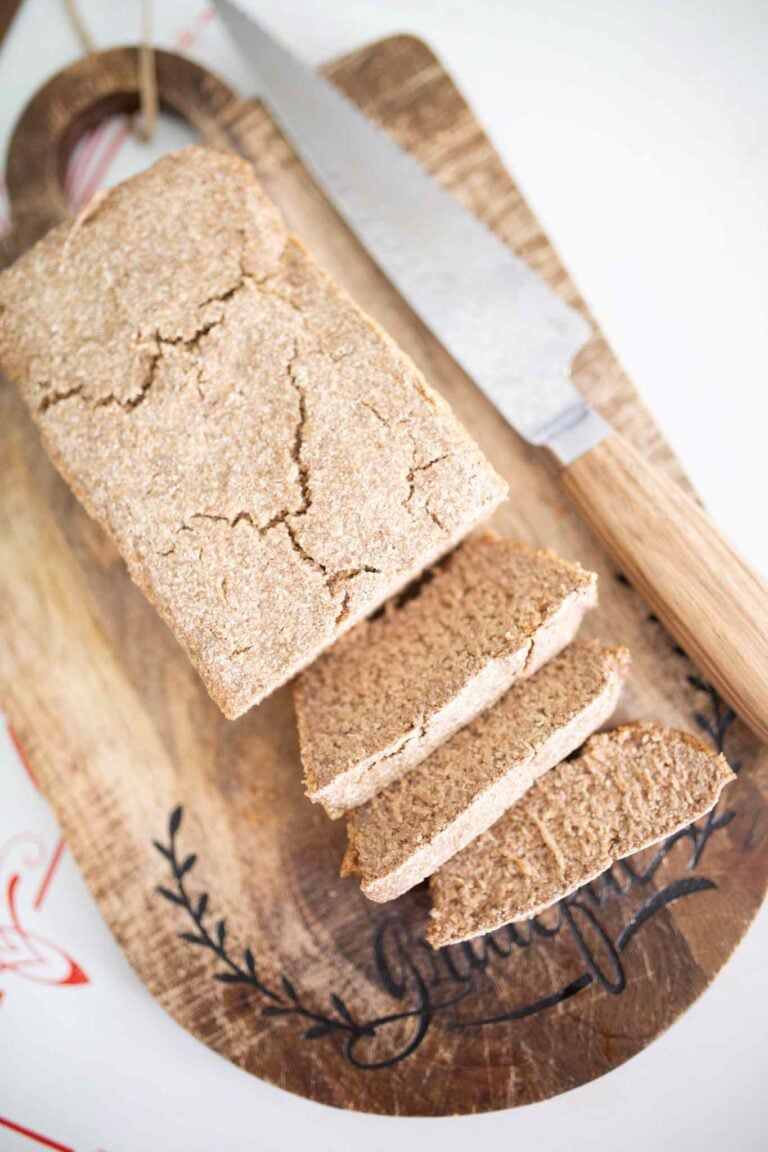
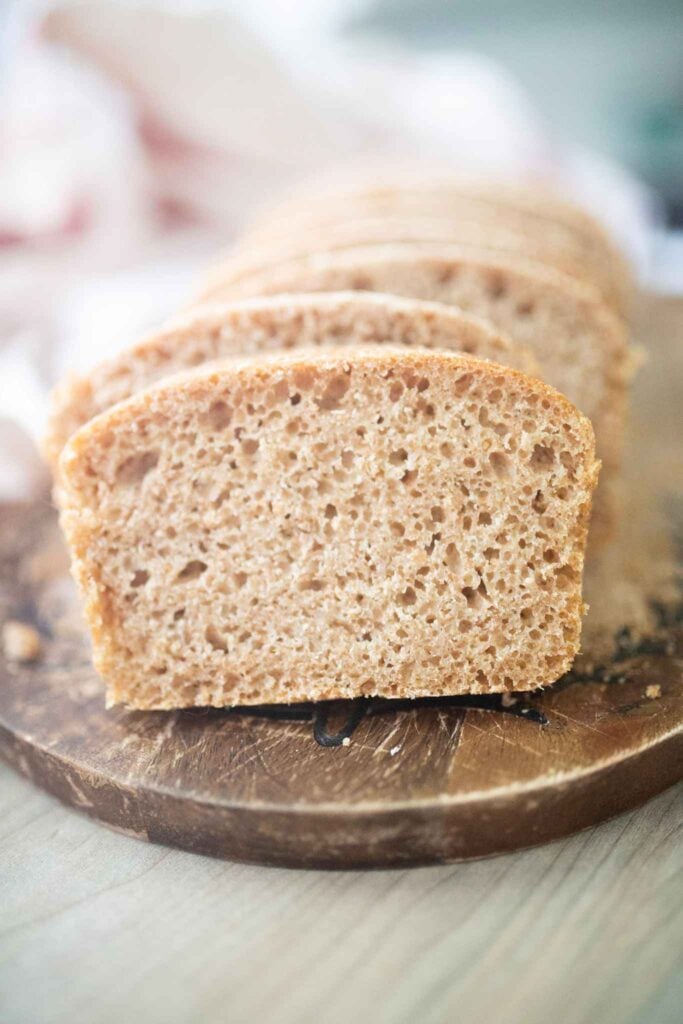
This nutty flour works incredibly well for Spelt Sourdough Artisan Bread with Fresh Milled Flour, Easy Spelt Sandwich Bread, and Fresh Milled Spelt Pumpkin Chocolate Chip Muffins.
How to bake with Spelt Flour
Does Spelt rise like modern wheat?
- This flour has a weaker gluten structure which means it will rise nicely when treated a bit more delicately.
- Rise times may be a bit shorter as I find Spelt to rise more quickly.
- Spelt dough can be overworked or kneaded. Therefore, its important to keep an eye on the dough while kneading and stop the process as soon as the dough is smooth and stretchy. Kneading beyond this may overwork the dough.
Tips for baking with Spelt
- Avoid over kneading.
- Keep an eye on the fermentation to prevent over fermentation.
- Consider replacing part of your flour with Spelt at first to learn gradually how it behaves and increase the flour over time.
Can you substitute Spelt for All Purpose Flour?
You can with just a few adjustments:
- You may need to either adjust the liquids or the flour in bread recipes. This is because all-purpose flour will absorb liquids differently. My advice is to add the amount of flour the recipe calls for and add 2 tbsp more at a time of Spelt until you get a tacky dough ball.
- Don’t knead for as long as you would with white flour. Spelt requires less kneading. Typically, if a recipe says to knead for 8-10 minutes, Spelt dough will only require 4-5 minutes.
- Perhaps by best advice is to slowly substitute your recipes with Spelt and gradually increase the amount while you learn how it behaves.
TOP TIP: Spelt flour weighs differently than modern day hard white wheat or hard red wheat. While hard red/white wheat weighs 130 grams per cup, Spelt weighs 105 grams per cup. Keep this in mind when converting recipes.
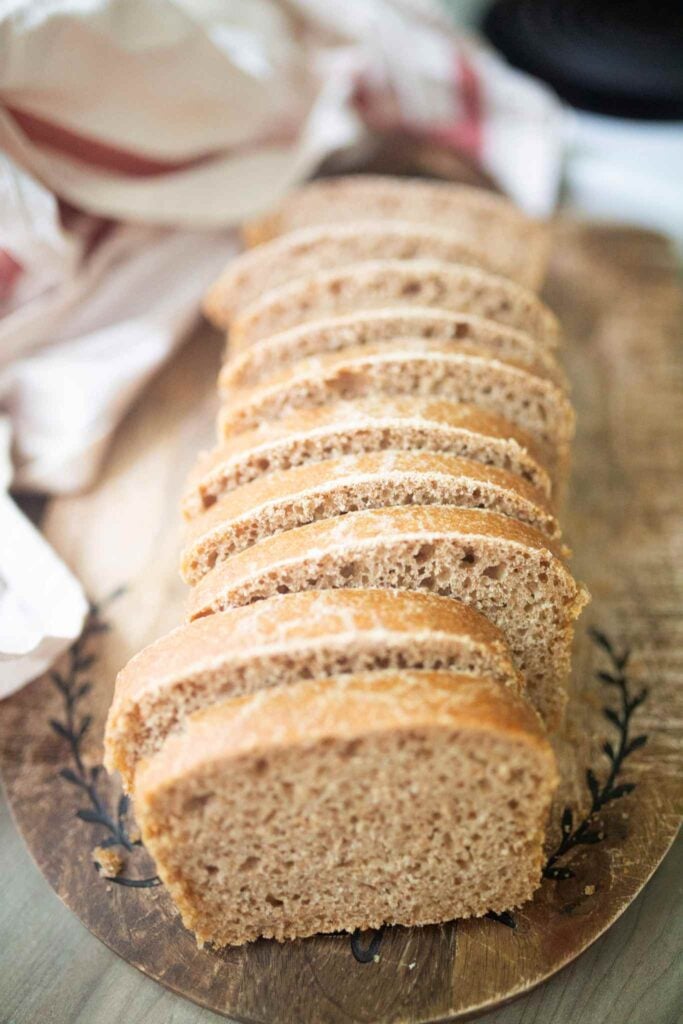
How to use Spelt Flour in your Baking
- Fresh Milled Spelt Pumpkin Chocolate Chip Muffins
- Easy Spelt Sandwich Bread Recipe | Fresh Milled
- Spelt Sourdough Artisan Bread with Fresh Milled Flour
- Simple Sourdough Spelt Sandwich Bread | Whole Grain
Frequently Asked Questions about Spelt
No. Spelt flour has gluten, although it is a weaker strand of gluten. Therefore, if you have been diagnosed with CELIAC, you CAN NOT EAT SPELT.
Absolutely! I have a few 100% Spelt recipes for bread listed above!
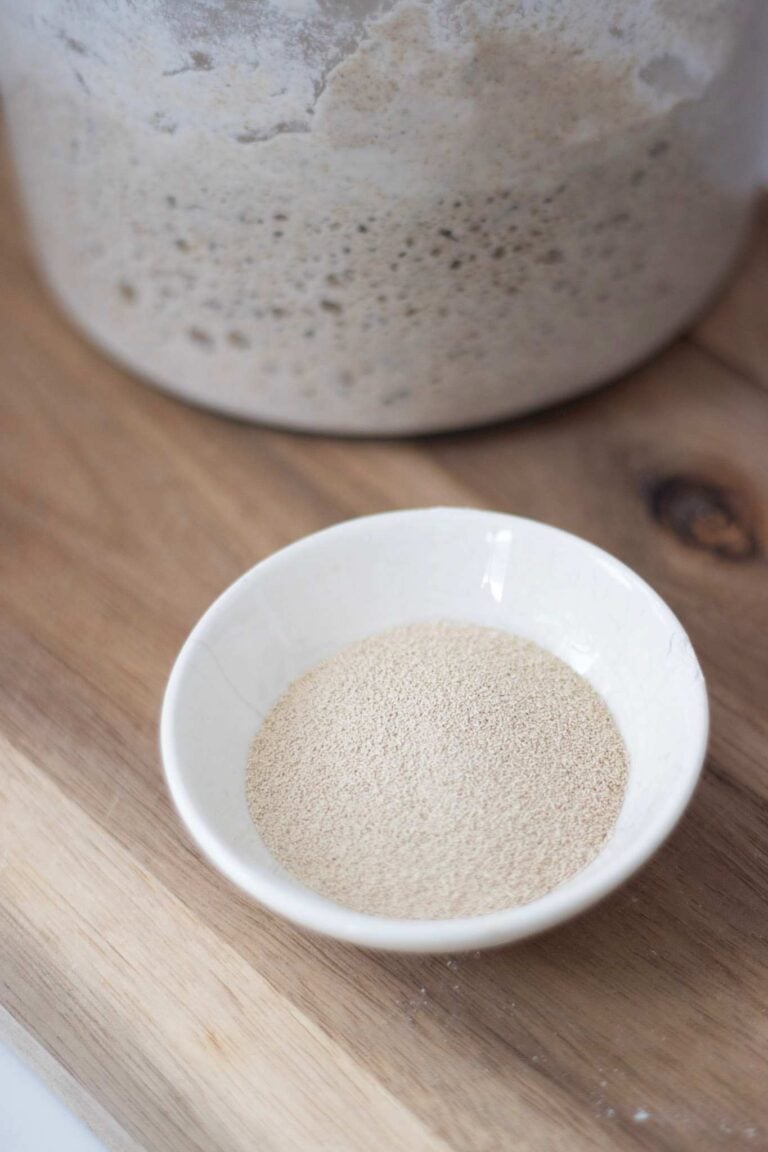
Yes. Spelt flour makes a wonderful sourdough starter!
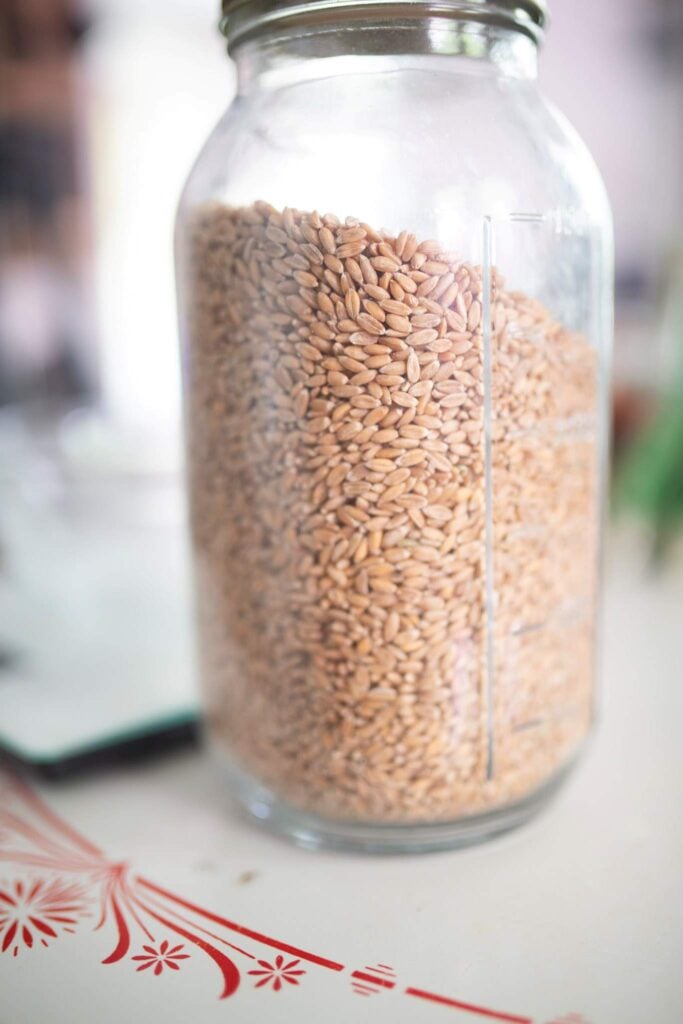
Where to buy Spelt Berries
There are several options for ordering Spelt Berries. If you have a local farm that has Spelt available, that would be the best option. However, if you (like me) don’t have that option, ordering is best.
One of my favorite sites for ordering Spelt berries is ANCIENTGRAINS.COM because they offer smaller bags as well as 6-gallon buckets for bulk buying.
Another great option is PALOUSE BRAND. These grains are certified glyphosate free and traceable.
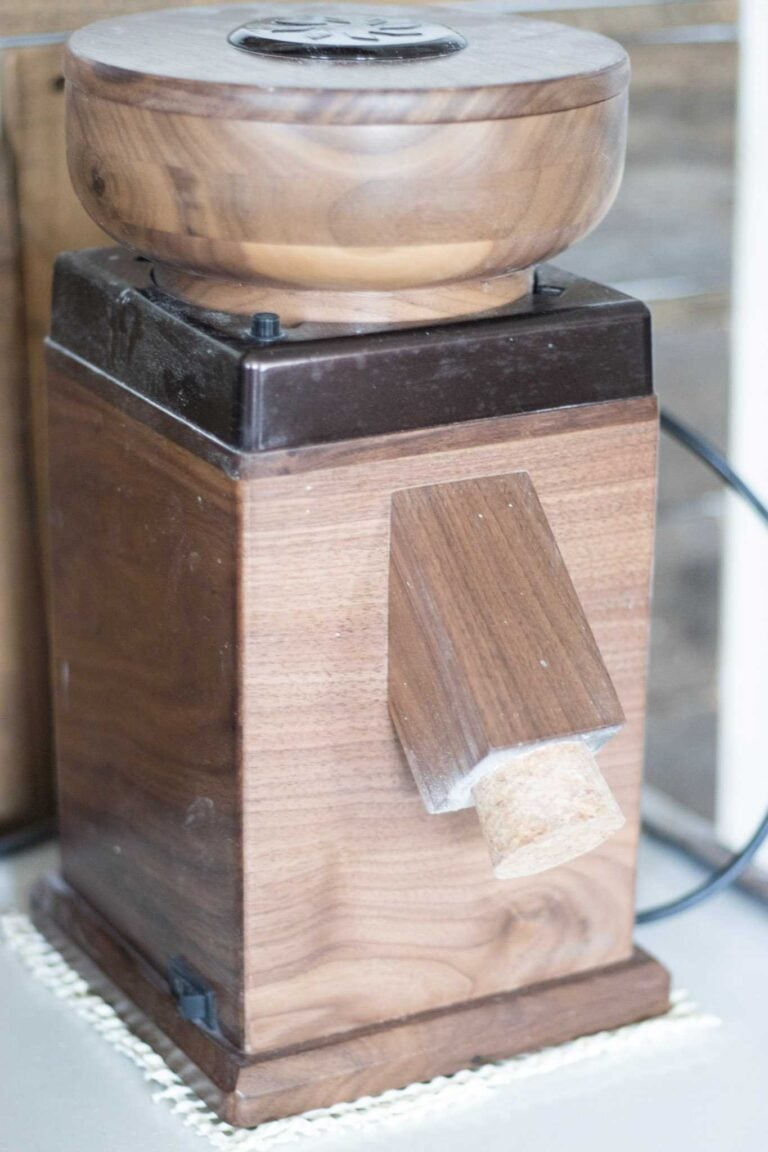
For milling my wheat berries, I use the NUTRIMILL GRAIN MILL (Enjoy $20 off with my coupon: rose20)
Continue Reading
Fresh Milled Ancient Grains Beginner Starter Guide
Choosing the Right Grain Mill (5 Questions to ask)
How to Make a Fresh Milled Flour Sourdough Starter
How to Tell If Your Sourdough Starter Is Ready to Use (The Fail-Proof Dough Test)
New to Fresh Milled Flour? Avoid These 5 Beginner Mistakes
In conclusion, Spelt is and has always been one my favorite grains to mill and use in my baking.
Comment down below if you use Spelt and what recipes you love to make with it!