Why Your Dough Tears Instead of Stretching (+ Fixes!)
You’re kneading or stretching your fresh milled flour dough and instead of becoming smooth and elastic, it rips, tears, or feels stiff. Tearing dough usually means something is off with gluten development, hydration, or fermentation. So, if you’re wondering why your dough tears instead of stretches, let me help you find and fix the issue!
This post contains affiliate links. I may make a small commission on sales at no extra cost to you. As an Amazon Associate, I make commissions on qualifying purchases
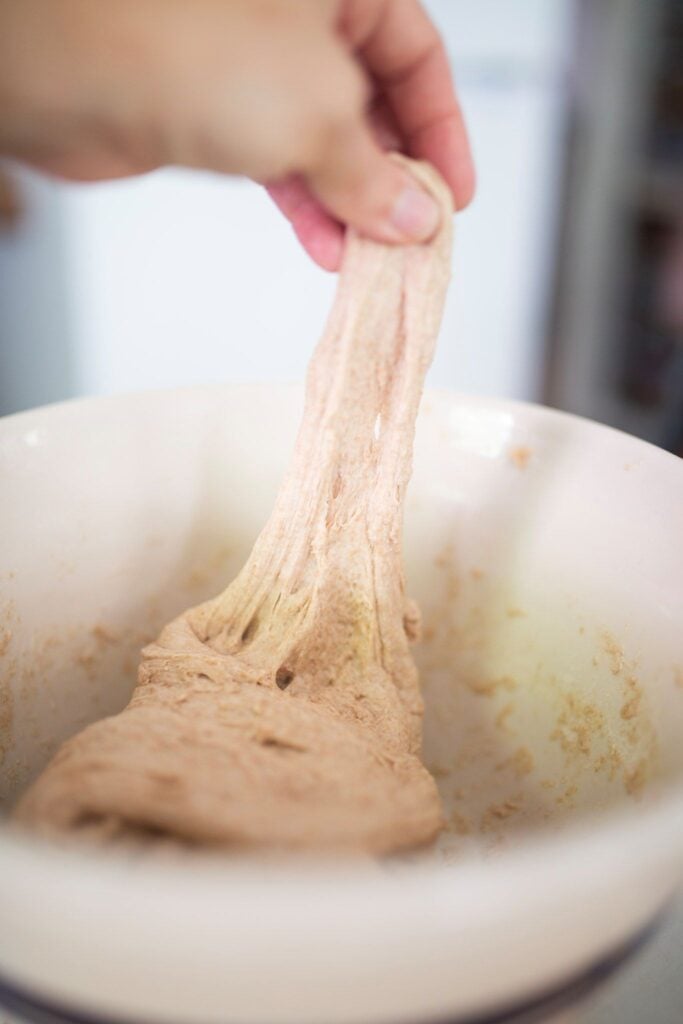
Why is my dough tearing instead of stretching?
Here is a list of common issues with tearing dough. We will take these one by one and discuss ways to fix the problem.
- Weak Gluten Development
- Low Hydration
- Bran Interference
- Insufficient Resting Time
- Using Wrong Wheat Variety
- Kneading Time
Reason #1. Lack of Gluten Development
Building gluten in dough results in a stretchy, strong structured dough. Dough that has just been mixed will easily tear or rip due to insufficient gluten. One of the main reasons your dough won’t stretch is insufficient structure and gluten network.
Signs
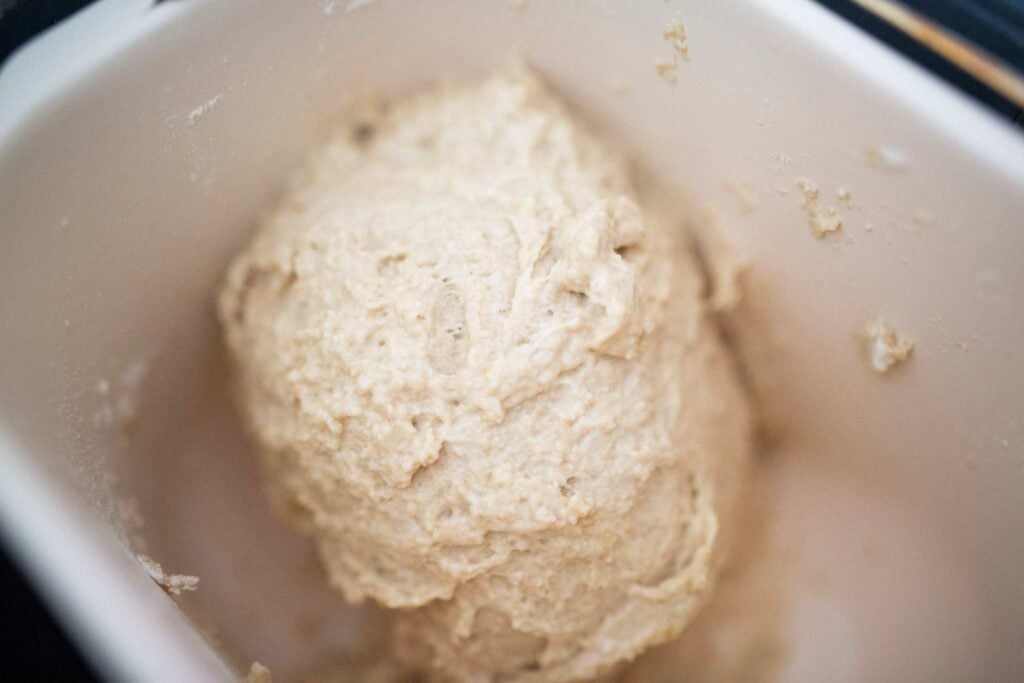
- Rough, shaggy dough
- Tears or rips easily
- Won’t hold its shape
Fix
- Knead longer – Consider kneading for 5 more minutes at a time until you have a stretchy dough that doesn’t tear.
- Stretch and fold the dough instead – This method takes longer, but is a gentler way to build gluten and is great for hands on time with the dough.
- Soak the dough (see below) #4
Reason #2. Your Dough Needs More Water
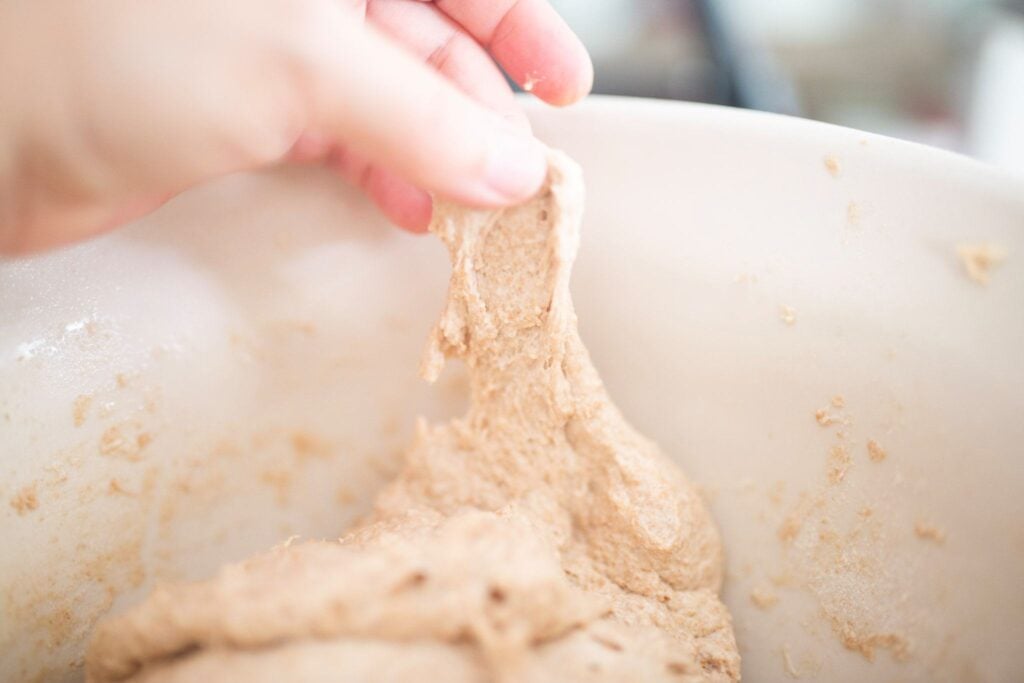
Low hydration doughs are harder to build gluten in. A higher hydration dough is much more preferred for building structure. If you add too much flour, it’s easy to fix the dough! Dough hydration is very important for good gluten development.
Signs
- Very stiff dough – Doughs with optimum hydration levels are a bit tacky to the touch.
- Dough cracks on the surface – A sure sign you don’t have enough water in the dough!
- Dough tears when attempting to shape
Fix
- Increase water gradually – As the dough mixes, add 1-2 tbsp of water at a time until the dough becomes soft, hydrated and tacky.
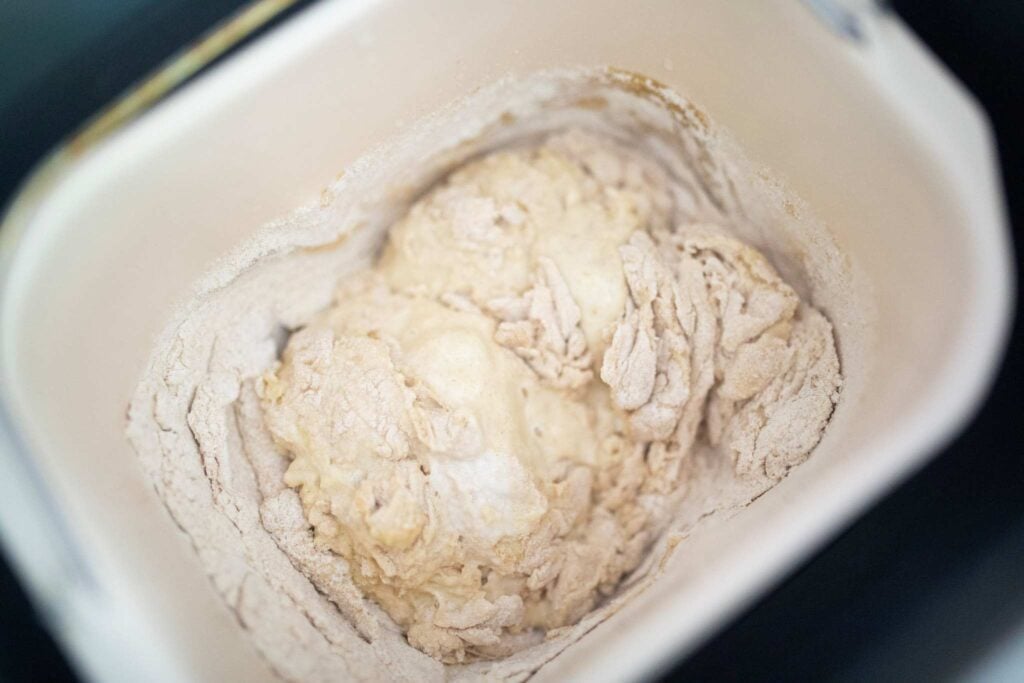
Reason #3. Bran Interfering With Gluten Development
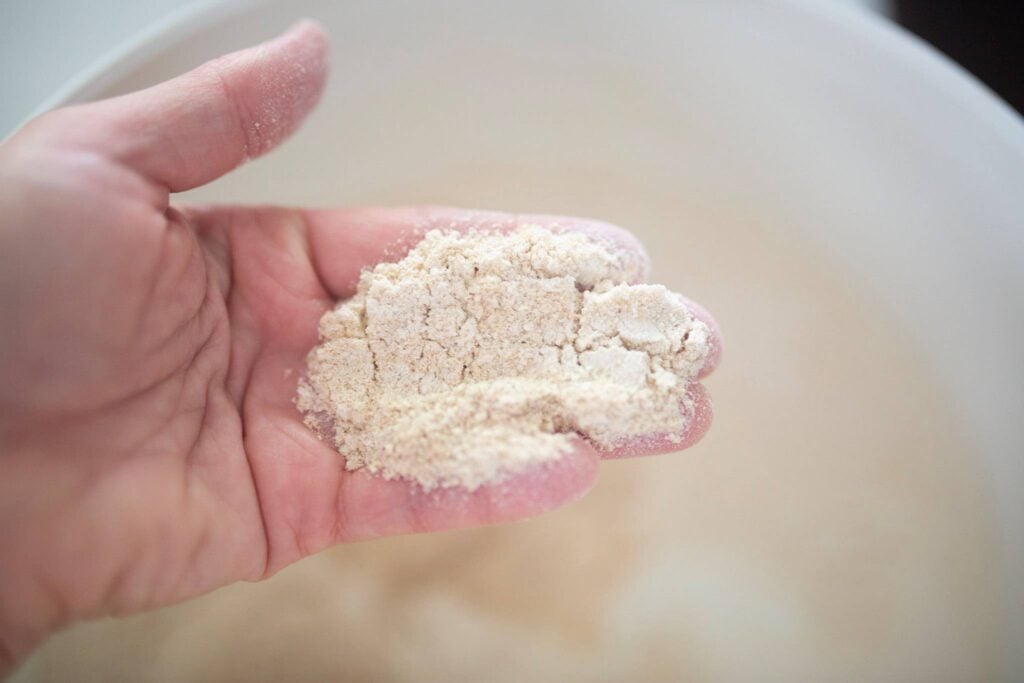
When you mill your flour, the bran and germ are still in the flour. These can inhibit the development of Gluten. They act as little shards that tear any development you build with kneading.
Signs
- Gluten development is weak even after kneading for an extended time
Fixes
- Sift some of the bran out – Although I don’t sift my fresh milled flour, you can sift a bit of the bran out for better gluten development if you so choose.
- Let dough soak (see below) #4
- Allow the dough to rest for 5 minutes in between kneading for 5 minutes at a time – You will see gluten strands when lifting the dough as the gluten develops.
Are you brand new to milling your own flour? START WITH THIS GUIDE
If you are interested in sifting your fresh milled flour, I suggest using a FINE MESH SIFTER
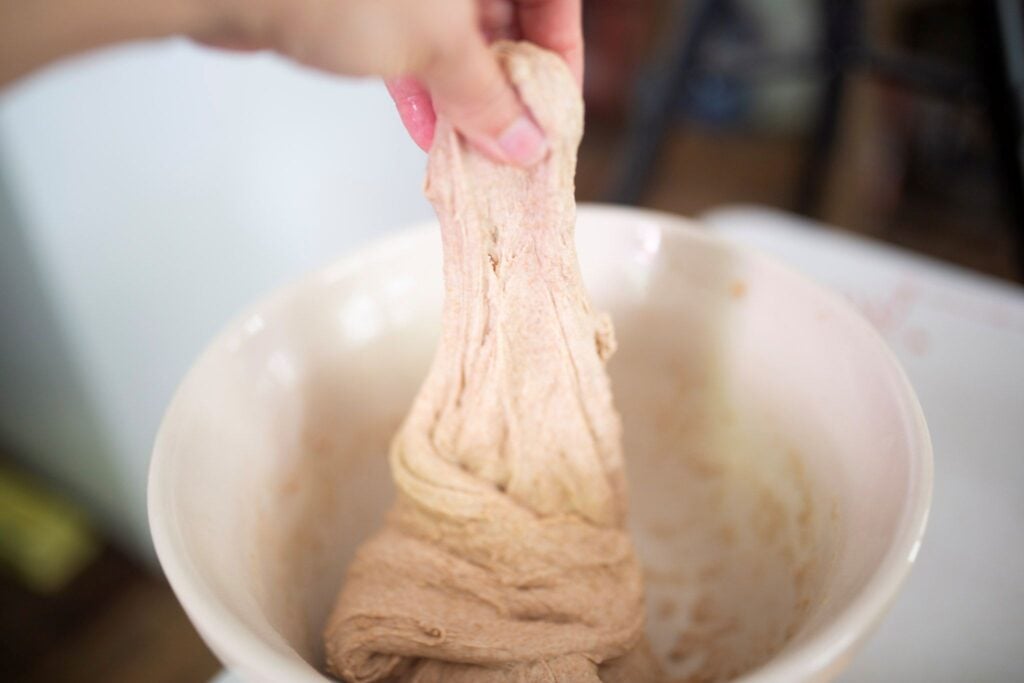
Reason #4. Your Dough Needs to Soak or Rest
One of the easiest ways you can help your dough to build better gluten is to let the dough soak or rest after mixing. If making yeast bread, mix the dough while leaving out the yeast and salt. Let this dough rest or soak for 30 minutes before adding the yeast and salt and then proceeding to knead.
If making sourdough bread, mix the dough with all the ingredients and let soak or rest for 30 minutes before kneading or stretching and folding.
Try my BEGINNER FRESH MILLED SOURDOUGH LOAF
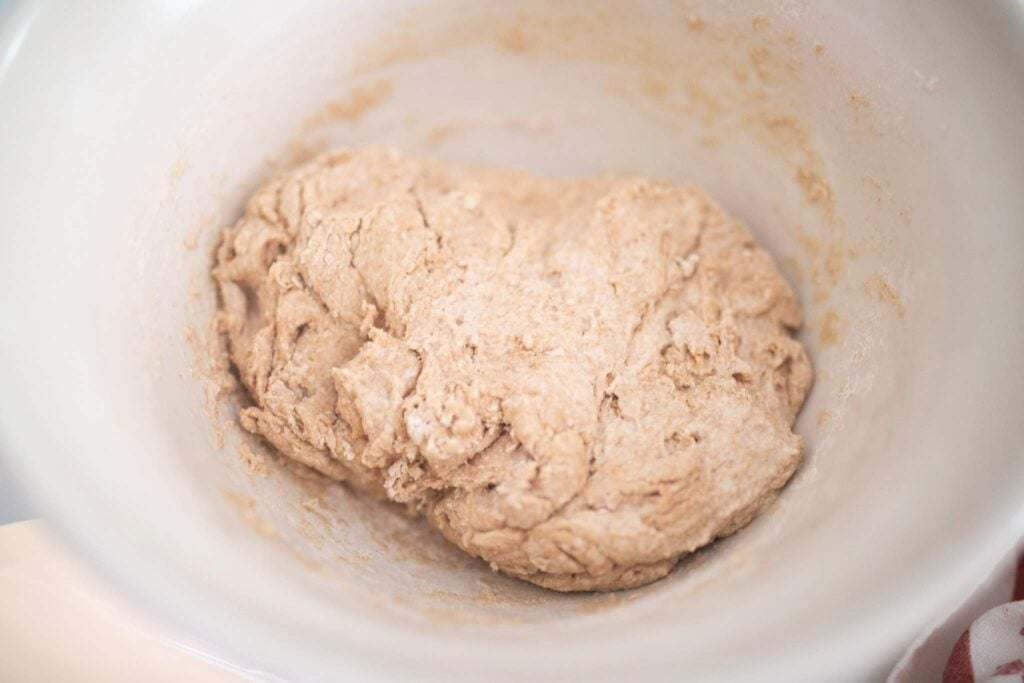
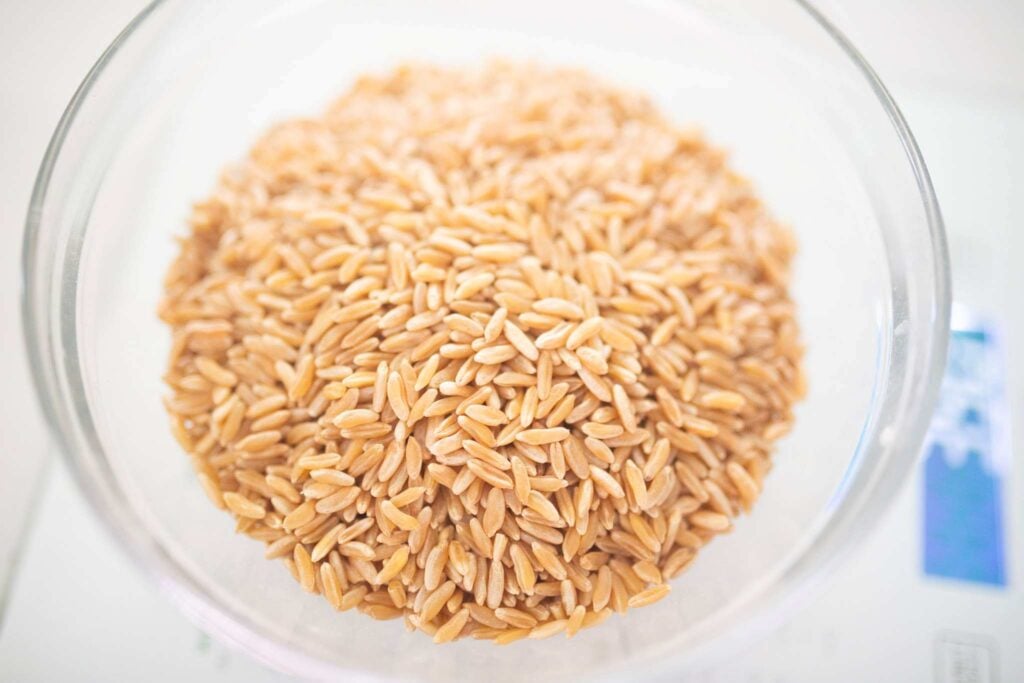
Reason #5. Using Wrong Wheat Variety
When using fresh milled flour, it is important to use the right type of flour for the recipe. When the focus is building gluten, you want to use a HARD WHEAT.
Options are Hard White Wheat, Hard Red Wheat, Turkey Red Wheat, or Spelt (ancient grain option).
The wrong flour for a specific recipe may not have enough gluten for best results.
Wheat varieties such as Einkorn have lower protein, higher hydration which makes it harder to build gluten.
Different flours behave differently in recipes.
This doesn’t mean you can’t build gluten in Einkorn recipes, however it takes a gentler approach and patience. With Einkorn flour, I suggest gentle folds at 15 minute intervals.
I use the NUTRIMILL GRAIN MILL to mill my wheat into fresh milled flour. (Use my code: rose20 for $20 off!)
Reason #6. Kneading Time Too Short
Sometimes the only issue is not letting the dough knead long enough. With fresh milled flour doughs, you may notice you need to let the dough knead a bit longer.
A good rule of thumb is after letting the dough rest, let it knead on speed 2 for at least 6-10 minutes and check the dough’s structure.
To check for gluten development, tear off a small piece of the dough ball and stretch it between your fingers to check if it stretches thin enough to see through without tearing. This is called the windowpane test.
The stand mixer I use is the NUTRIMILL ARTISTE (Use my code: rose20 for $20 off!)
Check out this recipe for KNEADED SOURDOUGH BREAD
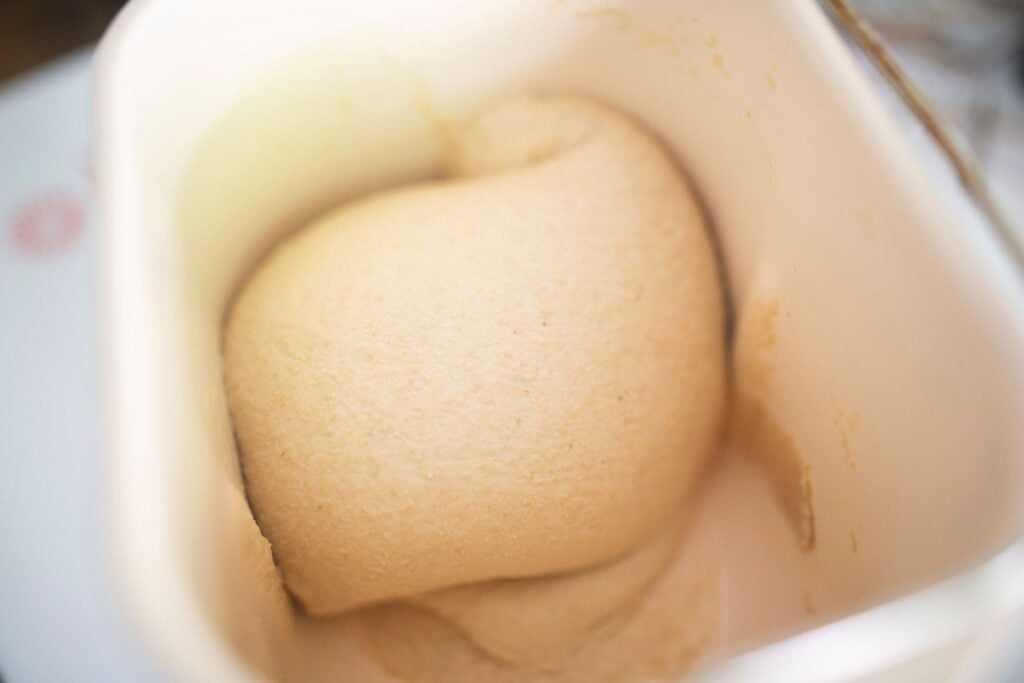
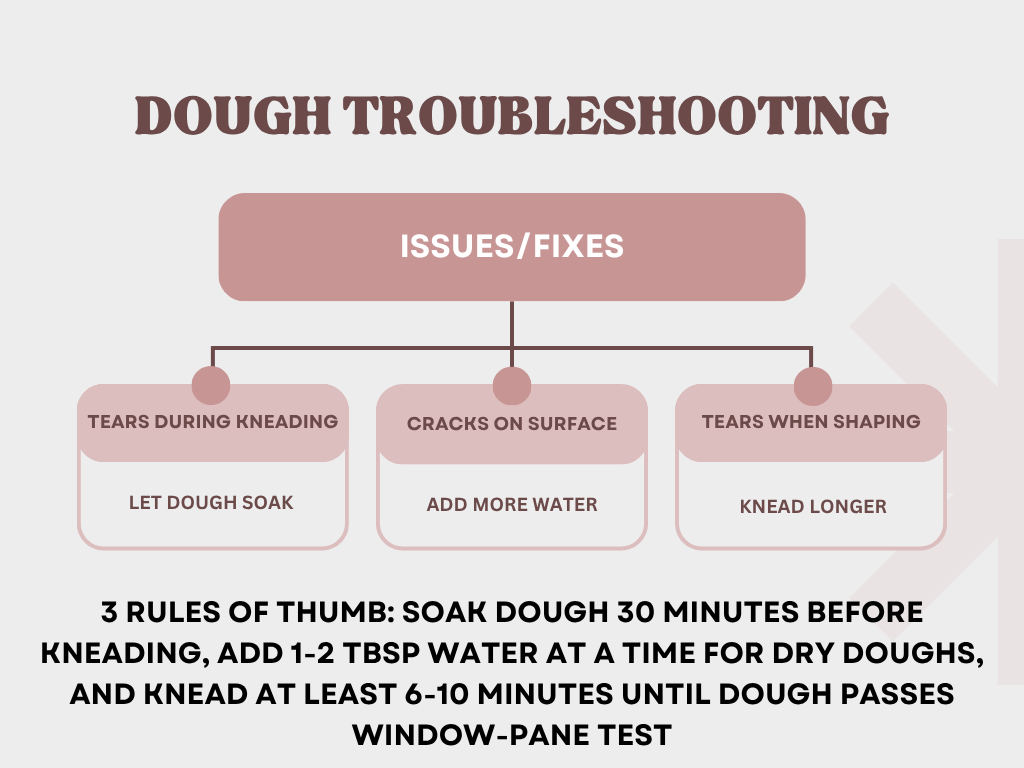
Troubleshooting Chart
Looking for a fresh milled pizza dough recipe? CLICK HERE!
Bonus Tip
If you find that the dough will not hold its shape after the first rise or bulk fermentation, it is possible you have over-fermented dough. Overproofed dough will lose its structure and be difficult to shape.
This can happen in the summer kitchen (because of the increased room temperature), therefore I recommend a cold fermentation for part of the rise. Let the dough rise until you see some growth and move the bread dough to the fridge until you are ready to shape it.
If this happens, I suggest making FOCACCIA! The end result will still be delicious and you won’t have to waste the dough!
Frequently Asked Questions
The concept would be the same as when kneading. The first thing I would suggest is to let the dough soak for 30 minutes before starting to stretch and fold. The first set of these should be gentle folds until the dough starts stretching easier. And, remember the dough will tear at first due to there being no gluten development. With stretching and folding, the gluten develops over a few hours instead a 6-10 minutes when kneading.
The bran and germ in the flour acts like little shards that can inhibit gluten development. Soaking the dough before kneading will remedy this issue. It is possible to attain a well-developed dough with whole grain flour!
The same reasons would apply here, such as not allowing the dough to soak, not kneading long enough, or the dough is too dry. Usually, the main reason pizza dough tears is insufficient kneading. With just a few adjustments, you will have a great pizza-making experience!
If your dough is tearing instead of stretching, don’t assume the recipe won’t work. Small adjustments to hydration, soaking and kneading times, and choosing the right wheat variety are usually the fix for these problems.
Read my post on WHY MY FRESH MILLED DOUGH IS DENSE for specific fixes for this issue.
Confused about to store wheat berries? Follow my EASY GUIDE FOR GRAIN STORAGE
Consider following me on YOUTUBE for videos to help you master sourdough and fresh milled flour!
Comment down below whether you knead or stretch and fold for gluten development!