
Why Is Einkorn Flour Hard to Work With? (+ Fixes)
If you’ve ever mixed up an einkorn dough and thought, “Why is Einkorn Flour hard to work with?”—you’re not alone. Einkorn flour behaves very differently from modern wheat, which means recipes that work beautifully with white flour can fail quickly with ancient grains.
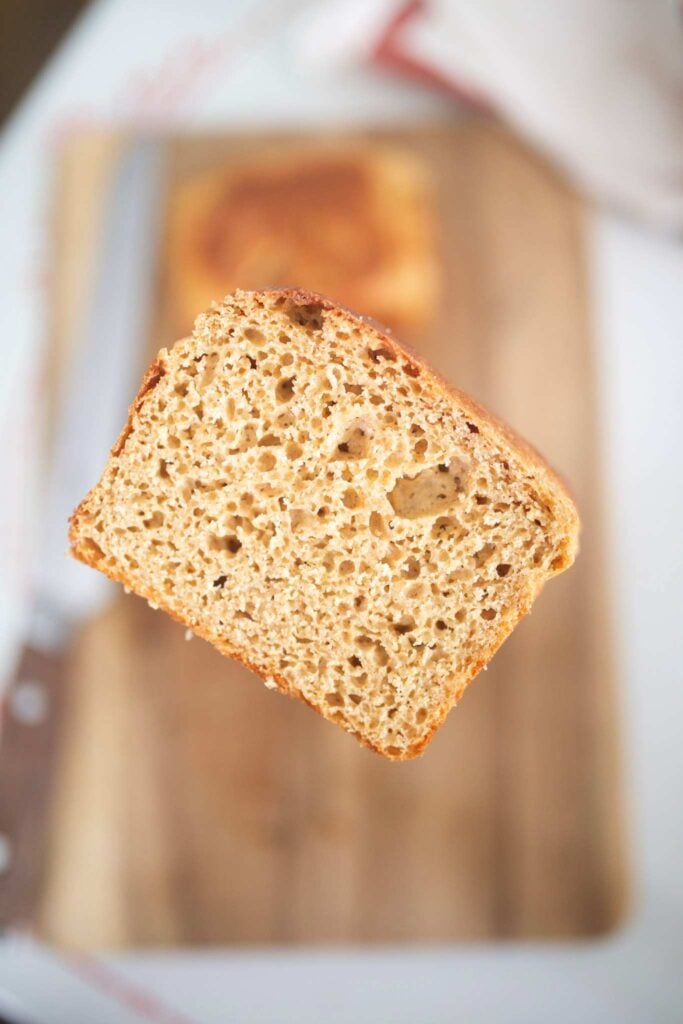
The good news? Once you understand why einkorn behaves the way it does, it becomes much easier to bake with. In this post, you will learn why Einkorn flour feels different, common mistakes, and how to get great results with Einkorn!
This post contains affiliate links. I may make a small commission on sales at no extra cost to you. As an Amazon Associate, I make commissions on qualifying purchases
What makes Einkorn different?
Einkorn wheat is an ancient grain that is lower in protein and higher in moisture than modern day Hard Wheat varieties. Because of the lower protein, it has a lower gluten content.
This makes it a bit harder to build gluten in Einkorn flour doughs. However, Einkorn flour can be used as a soft wheat and hard wheat because of these characteristics.
This ancient grain is one of the oldest grains (an original wheat)! It has a nutty flavor and mills into a super fine and powdery flour. It is also less modified than modern wheat.
This makes a huge difference for those how have problems tolerating modern wheat.
DISCLAIMER: EINKORN FLOUR IS NOT GLUTEN FREE AND NOT SUITABLE FOR THOSE WITH CELIAC DISEASE
Check out all of my EINKORN FLOUR RECIPES HERE!
5 Reasons Einkorn Flour is Harder to Work With
Reason #1: Weaker Gluten Structure
- Although not GLUTEN-FREE, Einkorn flour has a weaker gluten than modern day wheat.
- This makes the gluten weaker and more fragile.
- Einkorn dough will not stretch like modern day flour doughs.
Instead of becoming stretching, Einkorn dough will tear more easily and requires a different approach to build structure.
Because of the weaker gluten structure, the dough will not rise as much as a conventional wheat flour dough, will tear instead of stretching, and may spread out after shaping.
My top tip is to take a gentle approach when working with Einkorn flour doughs.
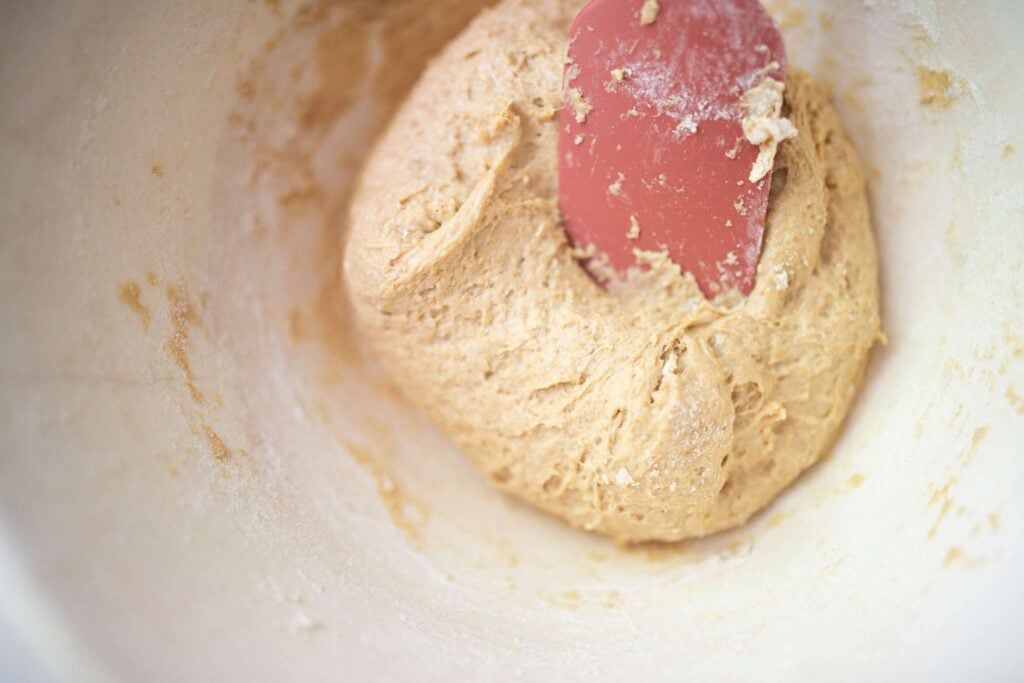
Reason #2: It Absorbs Liquid Differently
It will often take a bit more flour to make a dough with Einkorn Flour. Because it is higher in moisture and lower in gluten, it will absorb more water than modern day wheat.
Allowing the dough to rest for up to 20-30 minutes will allow the flour to fully absorb the liquids.
Because of this, it is important to adjust the amount of flour used. Generally speaking, adding 1/4 cup more flour per cup of flour called for in a recipe will achieve the right texture dough.
My top tip is to use Einkorn recipes when possible.
A common mistake is mixing a recipe 1:1 using Einkorn flour as a swap, even with all purpose Einkorn flour.
Reason #3: Overmixing Breaks Down the Dough
While dough made with modern day wheat LOVES to be kneaded, Einkorn flour doughs do not!
In fact, the more you work with Einkorn dough, the stickier it gets and the weaker the structure becomes. Keep in mind there is a learning curve for how much to work with this flour.
My top tip is to mix the dough just enough to make a soft, tacky dough.
Avoid:
- Over Mixing
- Kneading
- Too many Stretch & Folds
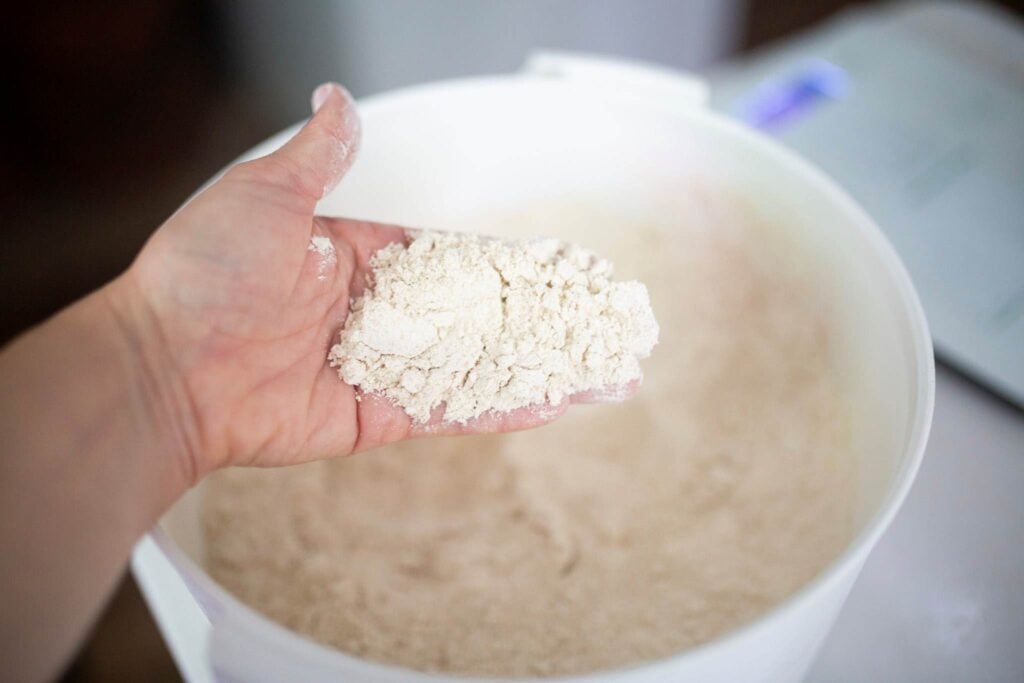
Reason #4: Most Recipes aren’t designed for Einkorn Flour
Most bread recipes (especially sourdough bread) are made for:
- Bread Flour
- Modern Day Fresh Milled Flour
- All-Purpose Flour
This means that it will be difficult to convert these recipes to 100% Einkorn flour.
Because the nature of Einkorn, my top tip is to use recipes made specifically for Einkorn flour. This is especially true for whole grain Einkorn flour.
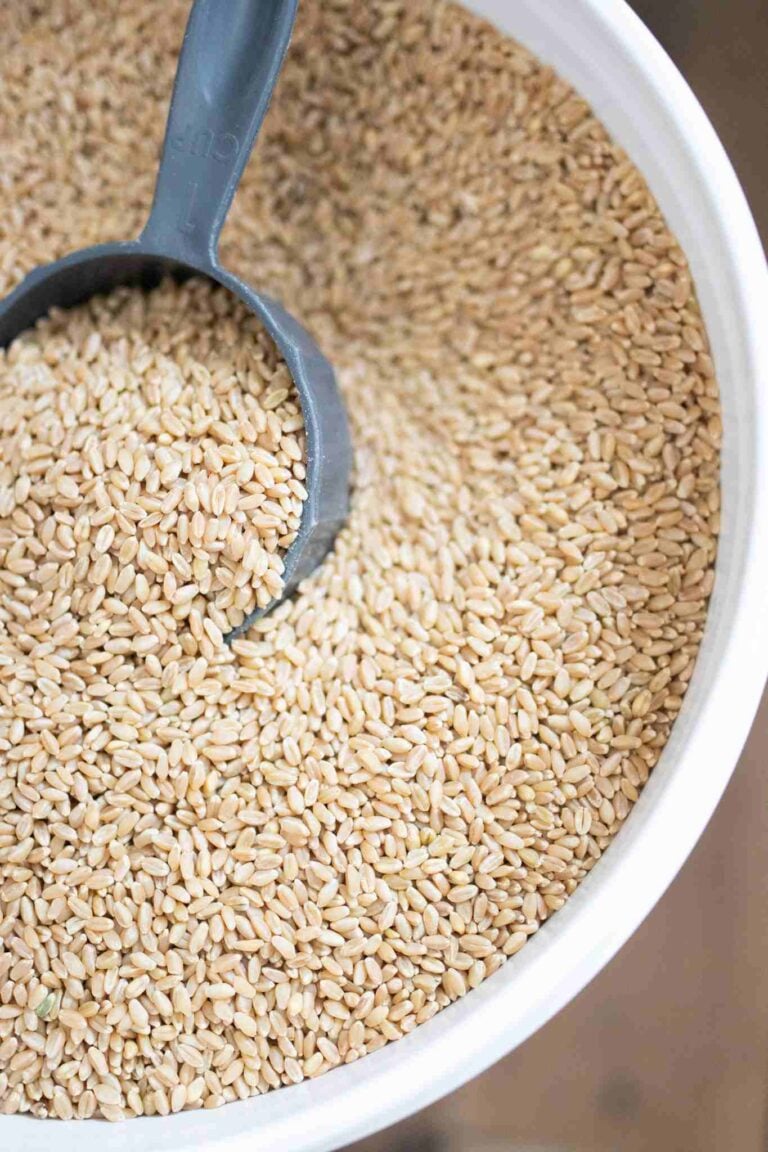
Where I buy my Einkorn berries: EINKORN BERRIES
To mill my whole berries, I use a grain mill. THIS IS THE ONE I use.
Reason #5: Fresh Milled Einkorn is even Trickier
While working with all purpose Einkorn flour presents challenges, its fresh milled version comes with a different set of challenges:
- Absorbs liquids at a different rate
- Builds gluten more slowly
- Denser texture
To overcome these challenges, allow the dough to rest for 20-30 minutes minus the yeast and salt to soften the bran and germ and aid in gluten development.
After they dough rests, add the salt and yeast and mix in the dough completely.
Einkorn flour doughs will not require heavy kneading. Usually a good mix will suffice.
Common Problems when working with Einkorn Flour
Problem: Dough is too sticky
Possible Causes:
- Insufficient resting time
- Overmixing the dough
- Too much liquid
Fix:
- Let the dough rest at least 20 minutes before adding the salt and yeast.
- Take care to not over mix the dough.
- Add 1/4 cup more flour to the dough at a time until a soft, tacky dough is made.
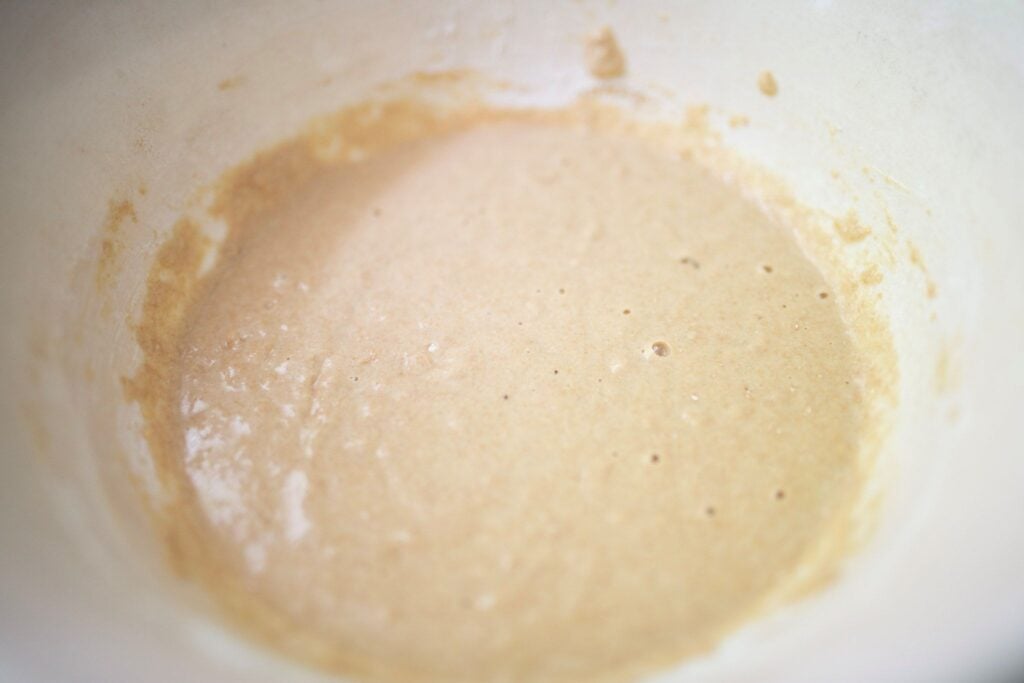
Problem: Bread is dense
Possible causes:
- Used too much flour
- Under proofed
- Gluten did not develop
Fix:
- Aim to make the dough soft, tacky, and sticky for Einkorn doughs for best results.
- Make sure to let the dough rise until it feels full of air and has visible bubbles.
- Even though you do not want to over work Einkorn dough, you still need to let the dough rest and shape the dough for best results. This does not require kneading or working with the dough much, but just a little work will be enough to build some structure.
Problem: Dough tears and doesn’t stretch
This is due to the weaker gluten structure of Einkorn flour. With these doughs, you will not achieve a stretchy dough that passes the windowpane test.
Instead, the gluten development happens with a little time and very little hands on with the dough.
My top tip: Do not overwork the dough with kneading or stretching and folding.
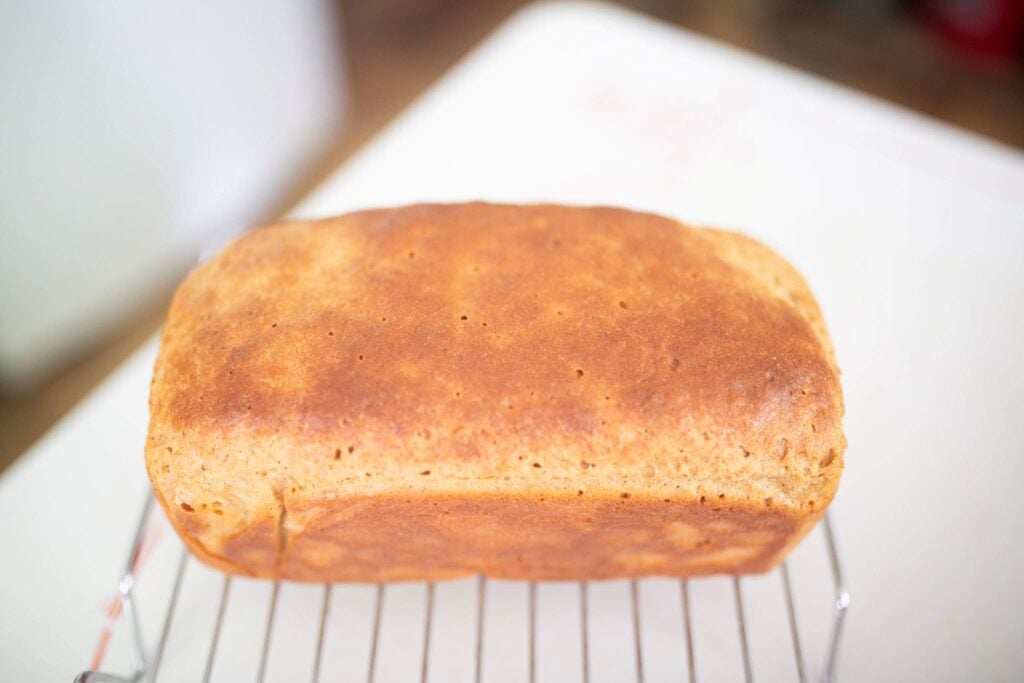
How to make Einkorn Easier to Work With
- Use Einkorn specific recipes.
- Work gently with the dough.
- Consider measuring with weights instead of cups.
- Allow dough to rest before shaping.
- Use a wetter dough (batter like) for best results.
Is Einkorn worth the extra effort?
Absolutely! Einkorn boasts so many benefits, including a rich, nutty flavor, very high nutritional value, and a weaker gluten structure that is easier on digestion.
Baked goods made with this flour are so delicious and are sure to be crowd pleasers in your home!
Final Thoughts
Although Einkorn flour is a bit trickier to work with and doesn’t behave like modern day wheat, that is exactly why I highly recommend using it in your fresh milled flour kitchen!
An ancient grain powerhouse, Einkorn boasts so many great attributes and with a little tweaking can quickly become a regularly used wheat in your baking!
Frequently Asked Questions
Einkorn flour is naturally higher in moisture and lower in protein (gluten) which makes it behave differently from modern day wheat varieties.
No, Einkorn can not be substituted 1:1 with regular flour. Due to this, I highly recommend using Einkorn specific recipes as they are tested for using Einkorn flour and will yield the best results. That being said, you can generally use 1:1 for pancakes, muffins, etc. in most recipes.
Einkorn dough does NOT like to kneaded as it will just get stickier and stickier with prolonged working of the dough.
Generally speaking, this happens because too much flour was used in the recipe or the dough was under proofed.


Great information thank you. I am just starting out on my eikhorn journey. I’d love to make this recipe however I would be purchasing pre-milled flour And your recipe is with freshly milled flour. I don’t have any plans on purchasing a grain mill at this time. If this recipe will not work with pre-milled flour, please advise which recipe I should be working with. Thanks so much.
Pre-milled Einkorn flour will work with this recipe as well. Happy Baking!