
Dense Fresh Milled Flour Bread? Here’s How to Fix It
Are you struggling with dense fresh milled flour bread? If so, check out these 7 common reasons and how to fix them.
Say goodbye to those heavy, gummy, and dough that doesn’t rise! In this post, we will tackle easy to fix issues that will have your fresh milled bread turning out light, fluffy, and lofty!
This post contains affiliate links. I may make a small commission on sales at no extra cost to you. As an Amazon Associate, I make commissions on qualifying purchases
Why Fresh Milled Flour behaves differently
While there is a learning curve when switching to fresh milled flour, with just a few tips and adjustments you can achieve great results even if it is your first time using fresh flour!
- Retains Bran and Germ – Fresh milled whole grain flour has the bran and germ in it which is where all the nutrition is. This is great for the health benefits, however it also changes the way the dough behaves due to the bran and germ “cutting” the gluten while kneading.
- Absorbs water differently – Fresh flour will absorb water more slowly and need a bit more water due to the bran and germ absorbing the water.
- Dough is different from white flour dough – Fresh-milled flour dough is generally stickier than doughs made with all-purpose flour.
- Builds gluten more slowly – Gluten development takes more time with fresh milled flour dough.
Are you brand new to milling your own flour? START HERE!
I use the NUTRIMILL GRAIN MILL for milling my flour (Impact mill)
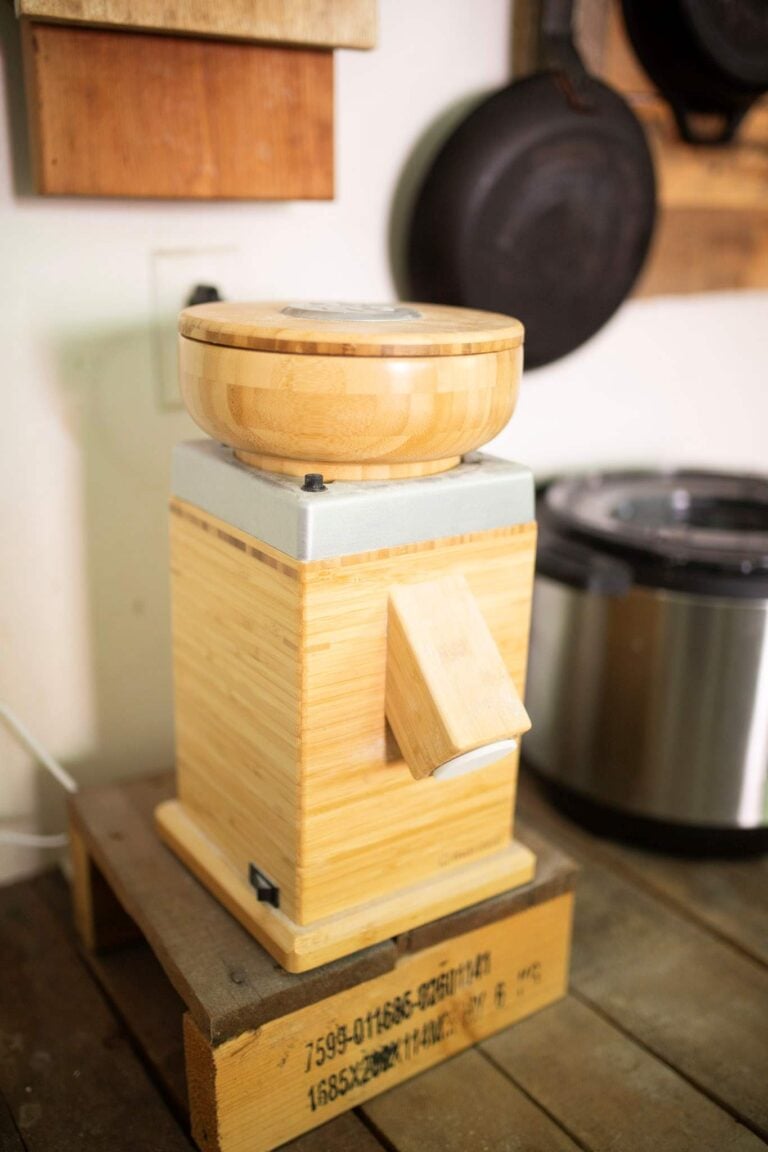
I also use THIS MILL (stone mill)
7 Reasons your Fresh Milled Flour is Dense
#1: Not adding enough water
Fresh milled flour absorbs water more slowly compared to white flour. Starting with a stickier dough will result in the perfect dough!
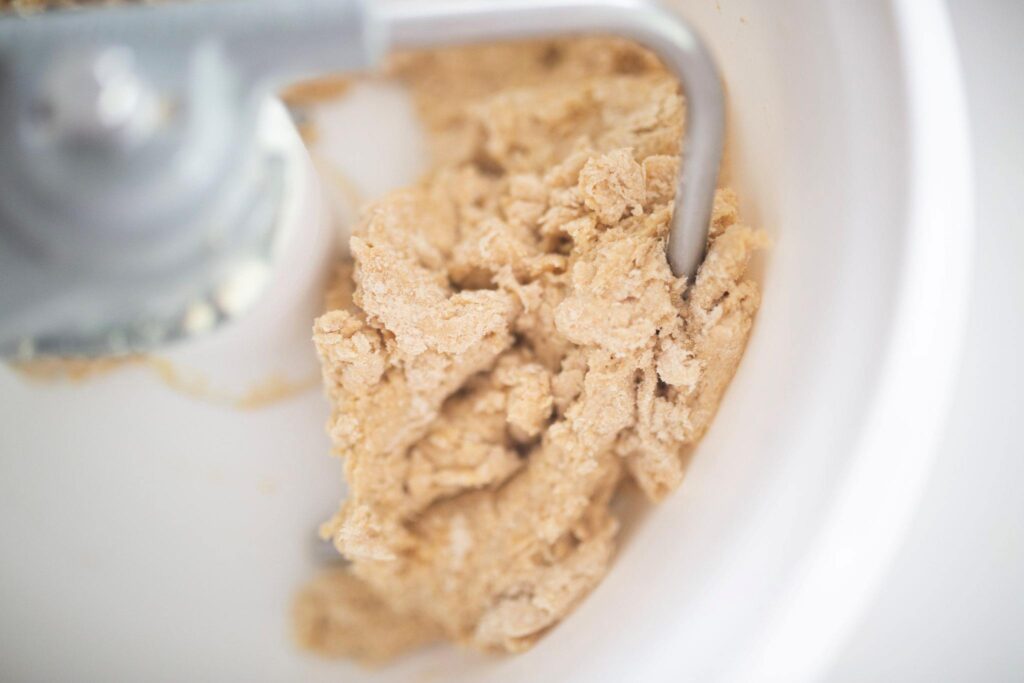
Signs you need more water:
- Dough is stiff
- Crumbly bread
- Loaf is heavy and dense
Solution:
- Add more water when mixing. Start with 1-2 tbsp until the dough is tacky to touch.
- Let the dough rest for 30 minutes before adding more flour. The flour will absorb the water before making adjustments.
- When mixing the dough, add flour just until the dough comes together. The dough will be sticky at first but after soaking will be manageable.
#2. Adding too much flour while kneading
This is one of the most common issues for beginners with fresh milled flour. The tendency to add more flour because the dough is sticky yields a dense and heavy loaf of bread.
Sign you are adding too much flour:
- The dough is not sticky at all and feels heavy.
Solution:
- Instead of adding flour while kneading, moisten your hands with water while working with the dough.
- Knead for a few minutes and then let the dough rest for 15 minutes before continuing to knead.
- Trust the dough when it is sticky. Higher hydration doughs yield lighter, fluffier loaves.
#3. Gluten was not developed properly
Proper gluten development dictates the outcome of your homemade bread. Good structure and gluten will help the dough rise and give the loaf a light and airy crumb.
Signs of weak gluten development:
- The dough tears easily when attempting to stretch it.
- The bread doesn’t rise well when baking (poor oven spring).
Solution:
- Knead longer. Aim to knead the dough for at least 6-8 minutes until the dough is glossy and stretchy.
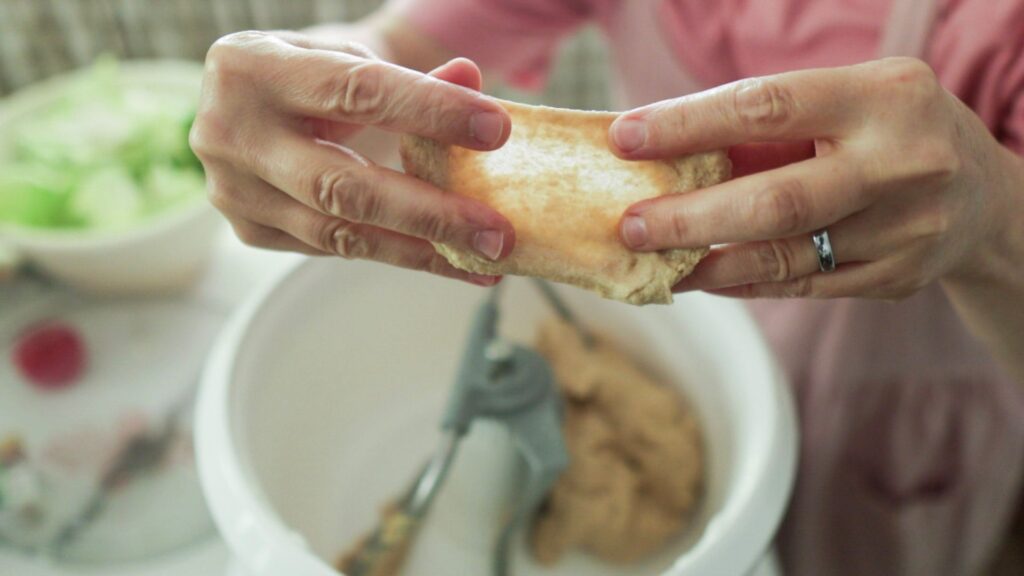
- Do the “windowpane test”. After kneading, pinch off a piece of the dough and stretch it between your fingers. If it stretches without tearing to a point of seeing light through the dough, the gluten has developed nicely.
NOTE: If you knead for an extended time and cannot achieve the desired results, consider using vital wheat gluten with your particular wheat berry flour.
TIP: Consider using a STAND MIXER for kneading your dough.
#4. Dough was under proofed
Learning how to read when your dough has risen enough can take some time. Properly risen dough will have the best texture after baking.
Signs the dough didn’t rise enough:
- Small loaf after baking.
- Tight crumb.
- Dense loaf.
Solution:
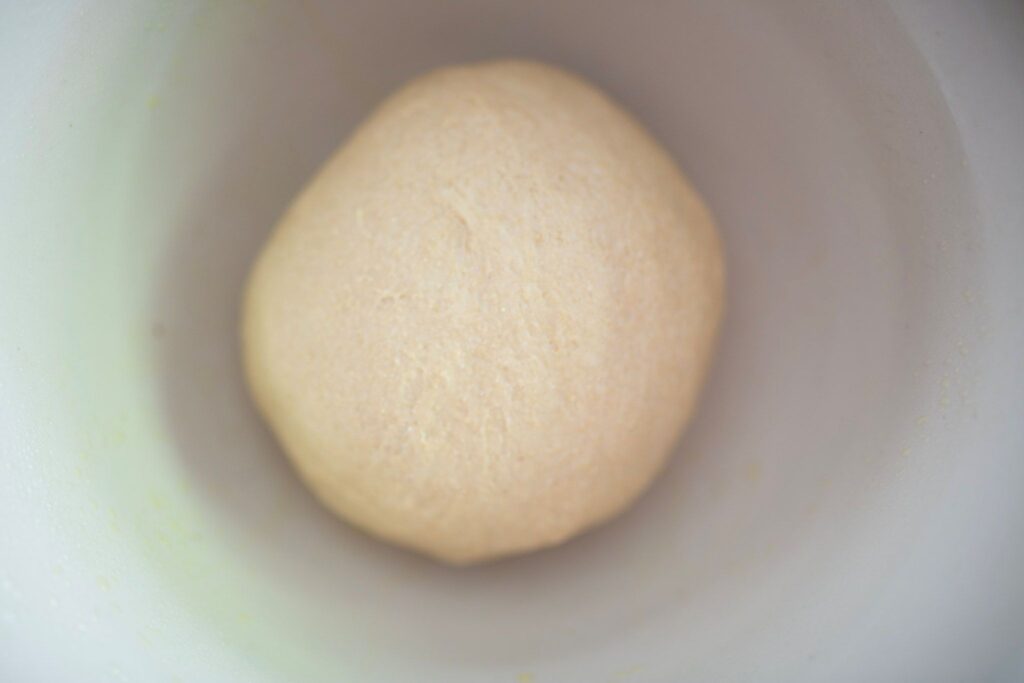
- Use visual cues when the dough is rising. If making yeast doughs, look for the dough to double in size on the first rise. If making a loaf, let the dough rise to 1-2 inches above the rim of the loaf pan on the second rise. If making sourdough bread, let dough rise by 30-50% on the first rise. If making a loaf, let the dough rise until it is just over the rim of the loaf pan on the second rise.
Keep in mind, the temperature in the room where the dough is rising will determine how quickly the dough rises. Warmer=quicker rise, cooler=slower rise
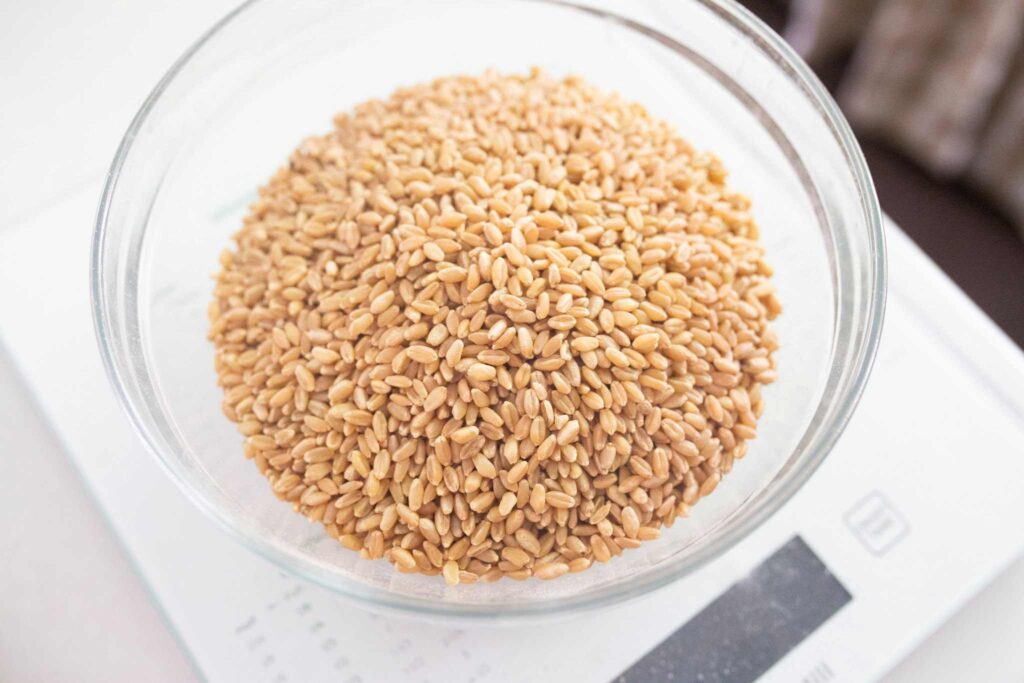
#5: Using the wrong wheat berry for the recipe
Each wheat berry has its own characteristics. Each one has strengths and weaknesses. If you want an in-depth look at different wheat berries and what they are best suited for, CLICK HERE!
Brief explanation of most common wheat berries:
- Hard White Wheat Berries: Hard white wheat is great for any bread recipe. Mild in flavor and light in texture, you can make any recipe with hard white wheat and have a great outcome.
- Hard Red Wheat Berries: Hard red wheat builds gluten very well making it great for yeast bread and sourdough bread; however it has a much stronger flavor and can be a bit heavier and heartier.
- Einkorn: The most popular ancient grain, Einkorn has a weak gluten structure and is higher in moisture than other hard wheat varieties. This makes it great for quick breads, biscuits, etc. But, keep in mind you can make bread with Einkorn, you just need to follow a recipe that is specifically written for it. Check out all of my EINKORN RECIPES, HERE!
- Soft White Wheat Berries: Soft wheat, as the name suggests, is best suited for pastries, cakes, and quick breads. It has a weak gluten structure and high moisture count.
#6. Bran and Germ are cutting the gluten during kneading
As a beginner using fresh milled flour, this is one of the most important aspects to learn and understand. Bran and germ in fresh flour can cut the gluten strands as they develop.
Solutions:
- Mill the flour finer: Consider milling the wheat berries on the finest setting of your grain mill.
- Sift some of the bran and germ: You can sift a bit of the bran and germ out of the flour before using to help combat this issue.
- Soak the dough: My preferred method is soaking the dough. When mixing your dough, leave out the yeast and salt and after the dough comes together, cover and let it rest for 30 minutes before adding the yeast and salt and kneading. If making sourdough bread, you can mix all the ingredients and let the dough rest for 30 minutes after mixing. Soaking softens the bran and germ leading to easier kneading.
#7: Expectations
All too often, as a beginner to fresh milled flour, we will have expectations for the bread to turn out similar to store-bought bread.
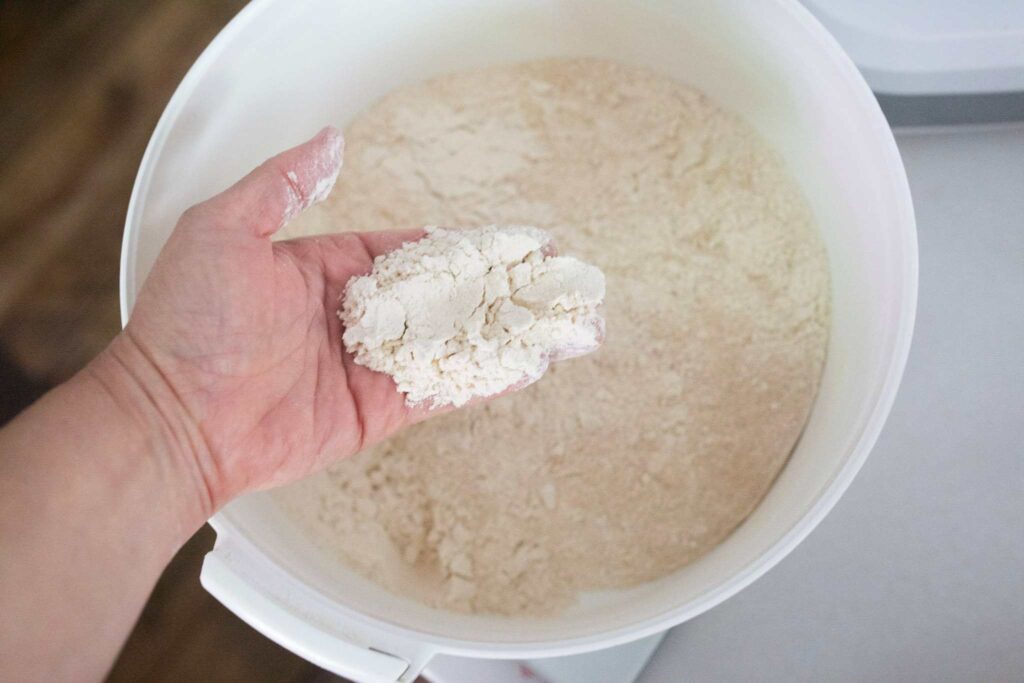
Fresh Milled Bread is:
- Heartier – Whole grain bread is by nature much heartier than bread made with all-purpose flour.
- More flavorful – Because of the bran and germ, bread made with fresh milled flour has more flavor than that made with store-bought flour (commercial flour).
- Filling – Due to the higher amount of fiber in fresh flour, the bread is more filling and satisfying.
Instead of expecting “wonder bread” results, set your expectations on MORE FLAVORFUL, MORE FILLING, AND HEARTIER.
How to get lighter loaves every time
- Use more water or liquids – Since fresh flour absorbs more water, add up to 1/4 cup more flour per 3 cups of flour.
- Knead properly – Knead for at least 6-8 minutes or until it passes the “windowpane” test.
- Soak the dough – Soak the dough (minus yeast and salt) for 30 minutes before kneading.
- Use the right wheat berry – Consider using Hard White Wheat at first for all recipes. It’s mild in flavor and light in textures.
- Avoid adding too much flour – When kneading, avoid adding flour. Instead use wet hands and a dough scraper to work with the dough.
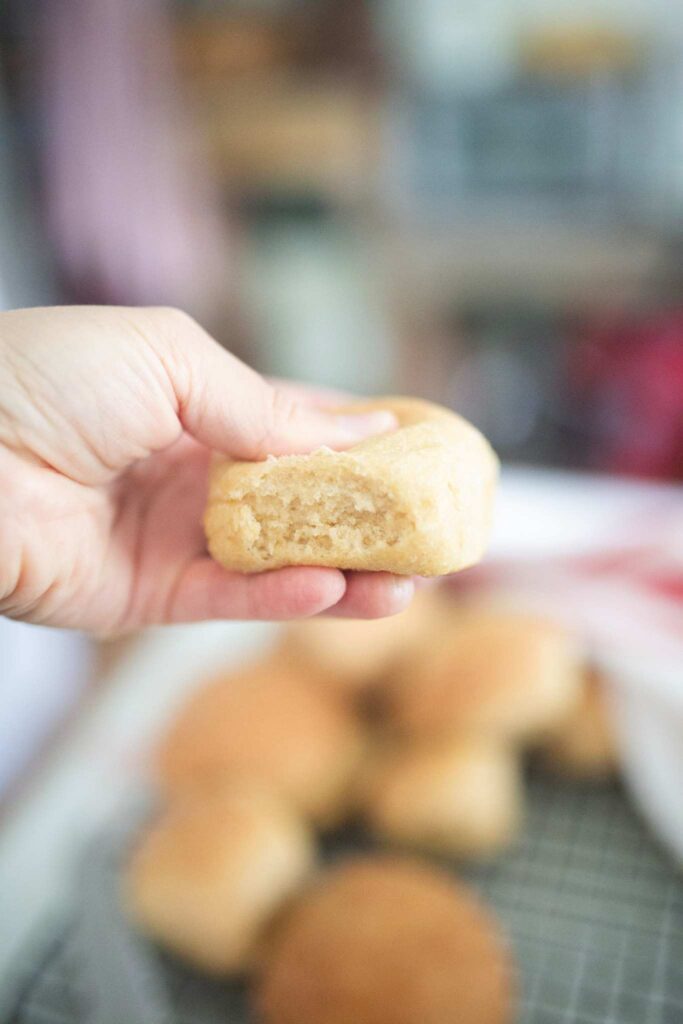
Tips for Soft Fresh Milled Sandwich Bread
We want our sandwich loaves to be soft and lofty! With just a couple of adjustments, you can achieve this with 100% fresh milled flour.
Check out my recipes for SOFT FRESH MILLED SANDWICH BREAD and FRESH MILLED SOURDOUGH SANDWICH BREAD
Follow the tips above, soaking the dough, kneading long enough, and watching the rise for best results.
Frequently Asked Questions
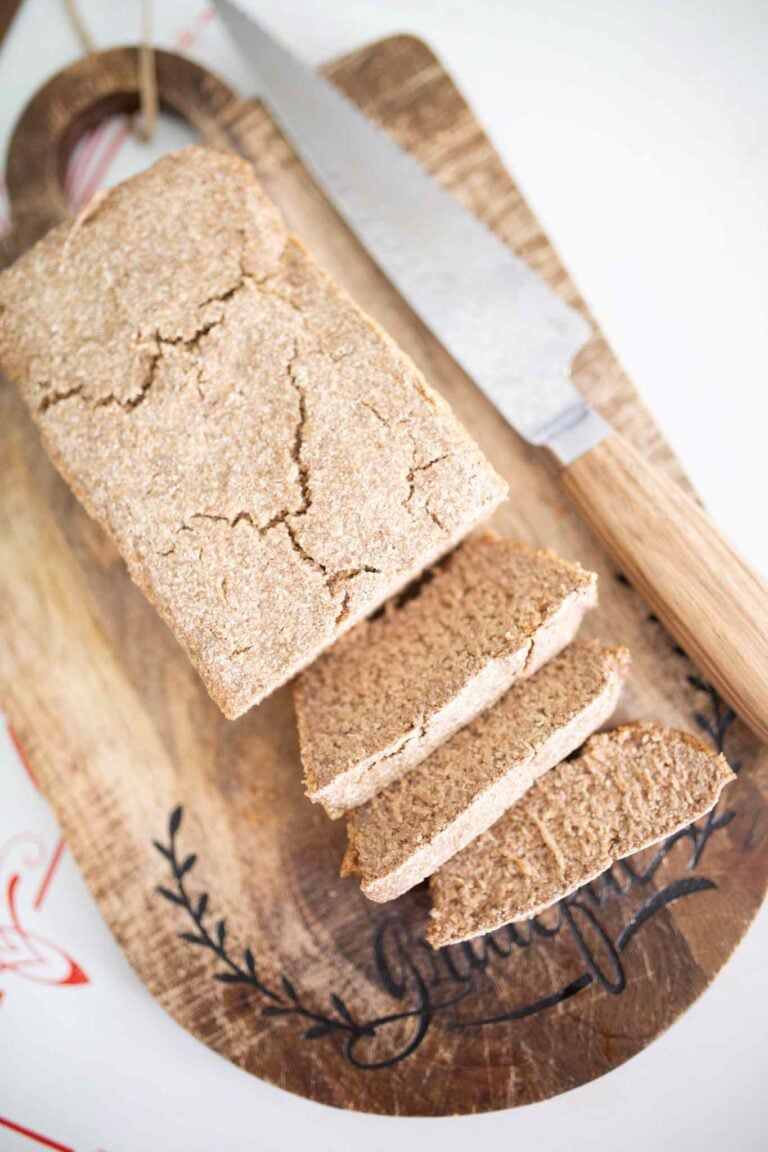
Fresh milled flour bread can rise very well, actually! Keep in mind, though, the bread itself will be a bit heavier because of all of the bran and germ in the flour.
You can sift “most” of it. Please note: If you sift the flour, you will need to mill extra to make up for removing the bran and germ.
Yes. You will need up to 1/4 more water per 3 cups of flour used.
Final thoughts
Don’t be discouraged if your loaves are turning out dense. You just need to make a few adjustments to be successful! Pay close attention to hydration, kneading, and rising and you will soon be making soft, lofty loaves of fresh milled bread!
Consider using hard white wheat until you get the hang of using fresh flour. You are more likely to have success with this flour and your family will be likely to get on board, as well!
Comment down below your favorite tip for using fresh milled flour!
Looking for Fresh Milled Flour Recipes, Tips, and Tricks?
Do you have a bread machine? You should try my recipe for FRESH MILLED BREAD MACHING BREAD
Curious about combining wheat berries in your recipes? CLICK HERE!
If you are interested in using Ancient Grains, START HERE!
Want to convert your favorite recipes to fresh milled flour? READ THIS!



Thank you. I do have a question though, #1 states the need for more water, but the solution states to add FLOUR in small increments, should that read add water?
Oh my, thank you so much for catching that! My aging brain catches up to me often! I fixed it. Thanks again!