Fresh Milled Flour vs. Store-Bought Whole Wheat Flour: What’s the Difference?
If whole wheat flour contains the whole grain, what’s actually different about milling your own flour at home? In this post we will compare fresh milled flour vs store-bought whole wheat flour.
Even though whole wheat flour is made from whole kernels, it is sifted and handled differently from flour milled at home. This yields a different flavor and texture.
This post contains affiliate links. I may make a small commission on sales at no extra cost to you. As an Amazon Associate, I make commissions on qualifying purchases
What is Fresh Milled Flour?
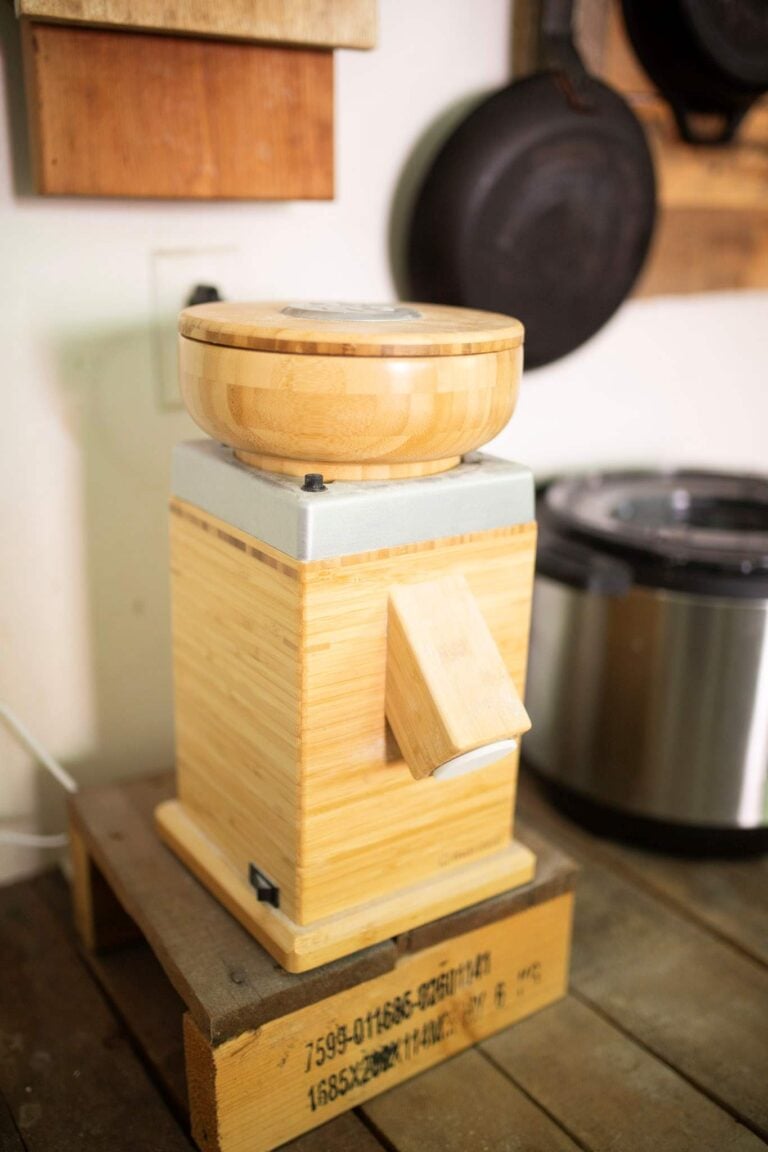
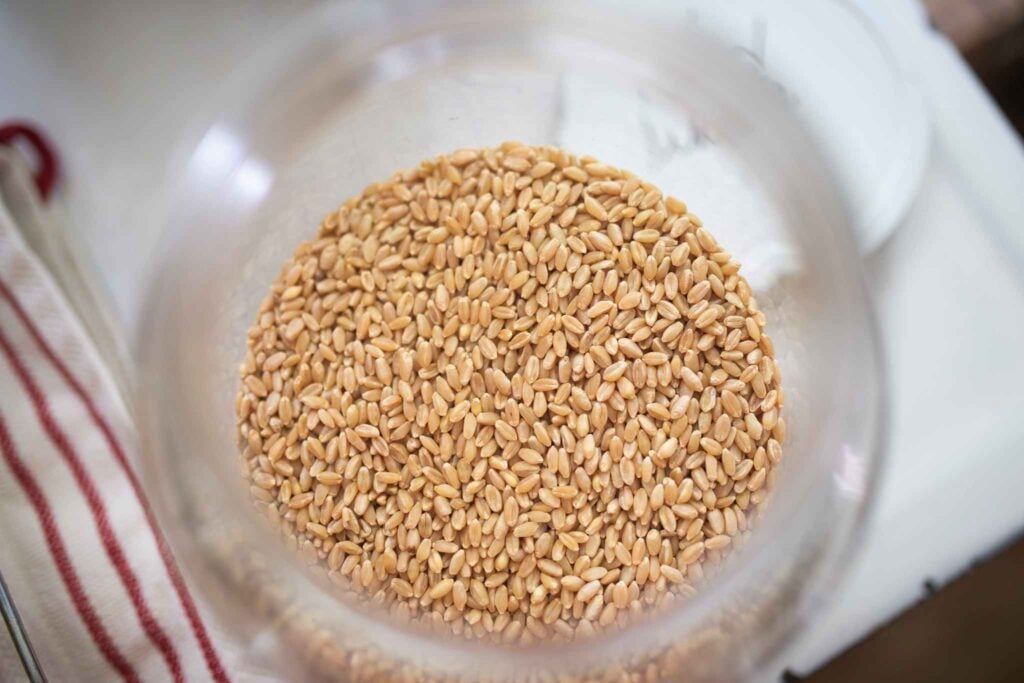
Fresh milled flour is made by milling the whole wheat kernels in a grain mill.
It retains all 3 parts of the kernel:
- Bran – The outermost layer, bran is rich in insoluble dietary fiber, B vitamins, and trace minerals.
- Germ – The germ is the sprouting part of the kernel. It has unsaturated fats, B vitamins, trace minerals, and a small amount of protein.
- Endosperm – This is the primary source for white flour as it is made mostly of starch and feeds the germ while the plant is growing.
What is Store-Bought Whole Wheat Flour?
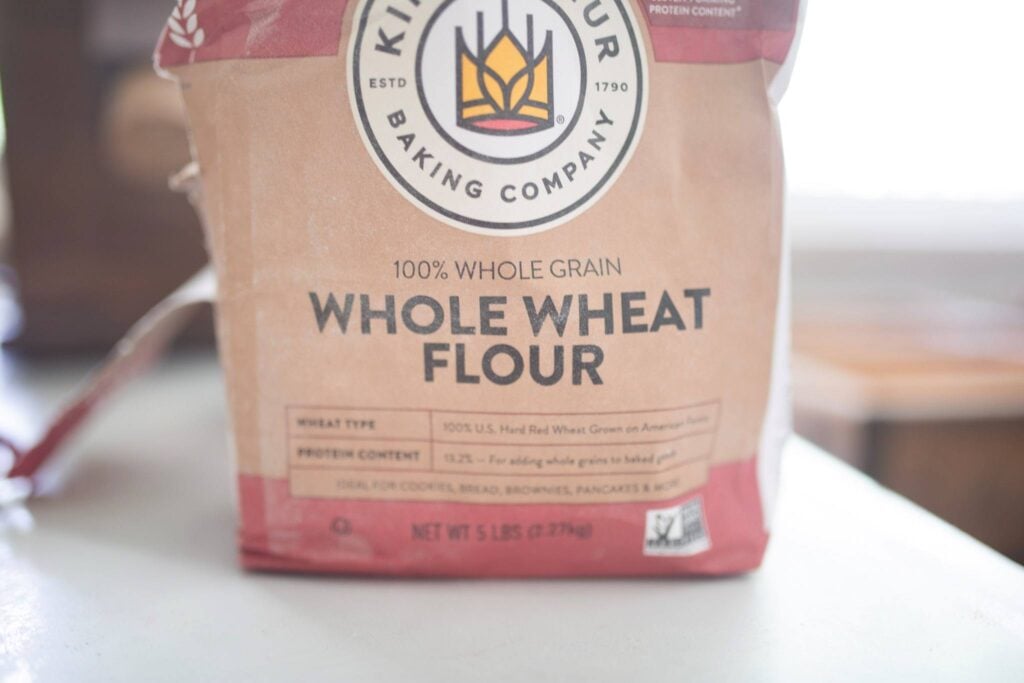
Store-bought whole wheat flour is made by commercially milling the entire wheat kernel, including the bran, germ, and endosperm. Depending on the milling process, the different parts of the wheat kernel may be separated during milling and then recombined to produce whole wheat flour.
Because whole wheat flour contains the germ and its natural oils, it has a shorter shelf life than refined white flour and can eventually become rancid if stored improperly.
Fresh Milled Flour vs Store-Bought Whole Wheat Flour
Freshness
When whole wheat berries are milled, there is an aroma that just says “FRESH”! However, the oils in the fresh flour will start to go rancid fairly quickly if the flour isn’t used right away or stored properly.
For the freshest flavor, freshly milled flour has an advantage because you can mill the wheat immediately before baking. The longer whole-grain flour is stored, the more its flavor and freshness can change.
Flavor
This is where you see the biggest difference between fresh milled flour and store-bought whole-wheat flour!
Fresh Milled Flour Flavor Profile:
- Nutty
- Earthy
- Slightly Sweet
- Rich
Each variety of wheat has its own unique flavor profile. For example, Einkorn is on the earthy side, Spelt is nutty, Khorasan is sweet, and Hard Red is rich in flavor. Hard white is milder in flavor.
Spelt Flour: What It Is, Health Benefits, and How to Bake with It
Why Is Einkorn Flour Hard to Work With? (+ Fixes)
Fresh Milled Ancient Grains Beginner Starter Guide
Nutritional Differences
Because both fresh milled flour and store-bought whole wheat flour contain the bran, germ, and endosperm, both are whole-grain flours. The biggest difference is what happens to the flour after milling.
That doesn’t mean store-bought whole wheat flour is unhealthy—it is still a whole-grain food. Fresh milling simply gives you more control over when the grain is milled and how the flour is stored.
Texture Differences
In my experience, dough made with my freshly milled flour tends to feel lighter and more supple than dough made with the store-bought whole wheat flour I have used. However, the result can vary depending on the wheat variety, milling method, particle size, hydration, and recipe.
I find that allowing freshly milled flour to soak in the liquid before kneading makes the dough easier to work with. The rest gives the flour time to hydrate and allows the bran to soften, which can make gluten development easier.
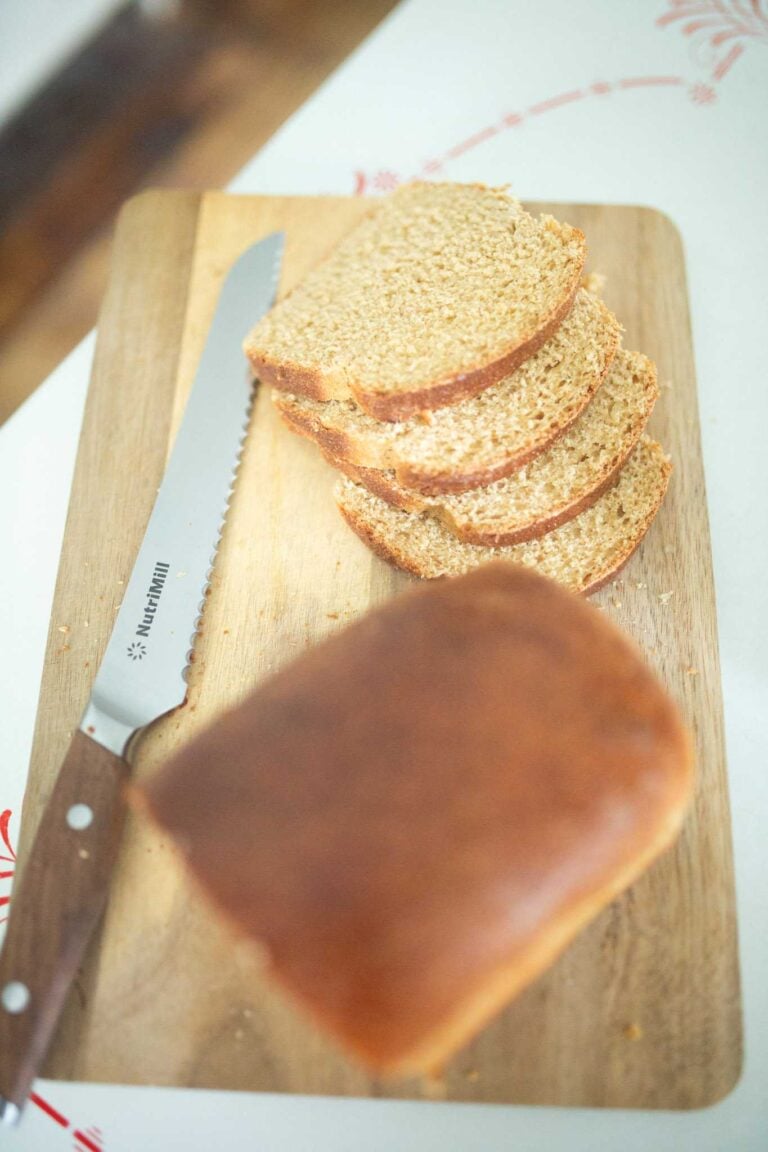
Bread made with flour that was just milled will be softer and airier than bread made with its store-bought counterpart.
Baking Performance
This is important because even though one may think you can take a recipe that calls for store bought wheat flour and sub fresh milled flour for the same results, this isn’t necessarily true.
Let me explain:
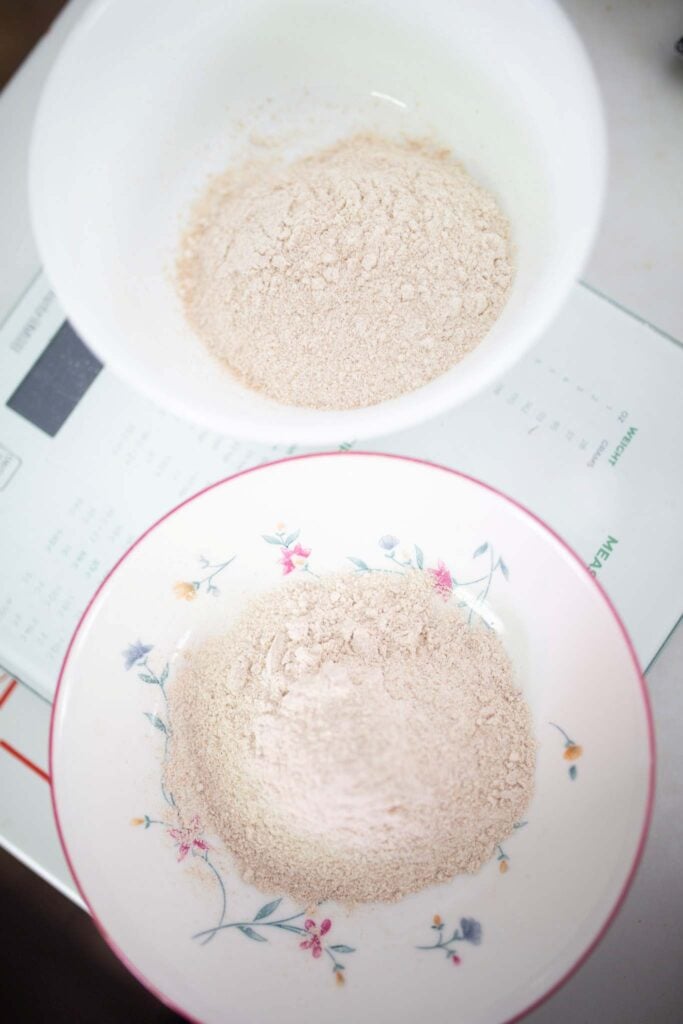
- Flour Weight – Store bought wheat flour will weight differently from Fresh Milled Flour cup for cup. This will make a huge difference in a recipe when measuring the flour for the dough.
- Hydration – Fresh milled flour can behave differently when it comes to water absorption, and the dough may initially feel stickier before the flour has had time to fully hydrate.
- Kneading Time – Because of the soaking period for fresh milled flour, the dough development time will be longer than that with store whole wheat flour.
- Fermentation Time – I personally find fresh milled flour doughs to ferment more quickly compared to store bought flour.
- Wheat Berry Variety Used – Depending on the wheat variety you use to mill your flour, these differences will be more pronounced.
Shelf Life & Storage
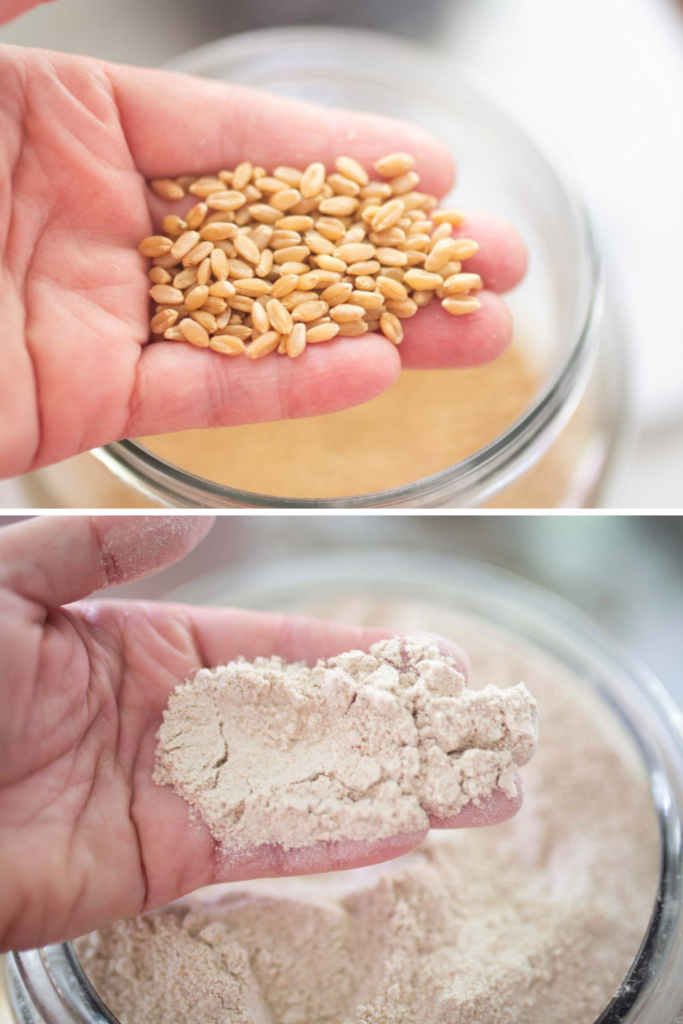
Wheat Berries: The great news is that if stored properly, whole wheat berries can be stored for many years! This makes them the perfect choice for long term storage.
Fresh Milled Flour: As mentioned above, as soon as you mill the flour, oils will start to oxidize and nutrient loss will begin. This can be thwarted somewhat if you store the flour in the fridge or freezer. But, even with proper storage, fresh milled flour needs to be used within a few months.
Store-Bought Whole-Wheat Flour: Because the store-bought version is sifted before adding any germ or bran back in, it has a longer shelf life. I still recommend storing it in the fridge if possible, because of oil oxidation and to prevent the flour from becoming rancid which will give it an “off” flavor.
Long Term and Short Term Wheat Berry Storage 101
Convenience
Let’s be completely honest here: Of course, store bought flour will more convenient compared to milling flour at home as you need it.
Even though milling your own wheat is quick and easy, it is an extra step you have to take in your baking.
So, can you substitute fresh milled flour for store-bought whole wheat flour 1:1?
While you can substitute fresh milled flour for store bought wheat flour, it will not always be 1:1 for many reasons. Here are a few adjustments that can assure more success with your substitution:
- Weigh your fresh milled flour to the same weight as the store bought wheat recipe calls for.
- You may need to adjust hydration a bit as fresh milled flour will absorb the liquids more slowly.
- Soak the dough! Mix the flour and liquids and allow the dough to soak for 30 minutes before adding the salt and yeast. Knead after to soak for best results.
- Keep an eye on the dough consistency for any adjustments.
- You will need to keep an eye on fermentation as it may go more quickly.
Can You Use Fresh Milled Flour in Your Favorite Whole Wheat Recipes?
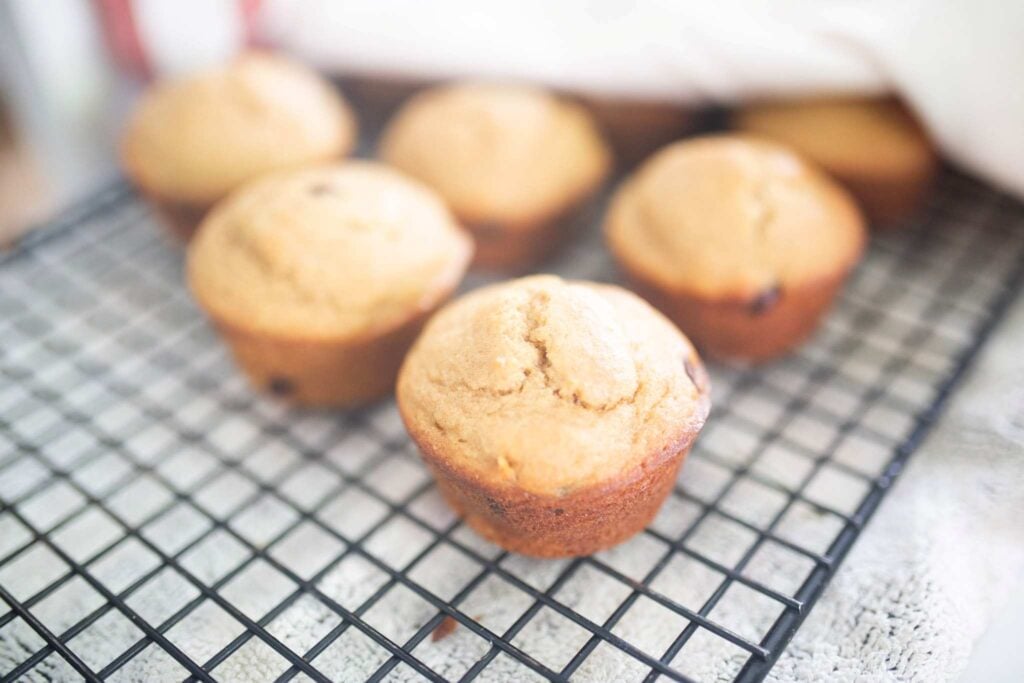
Absolutely! You will notice even more flavor and a softer texture!
Convert any Recipe to Fresh Milled Flour (Easy Tips)
If you’re ready to try fresh milled flour in your own kitchen, these are some of my favorite recipes to start with.
How to Make Ciabatta Bread with Fresh Milled Flour

Fresh Milled Flatbread (Easy, Whole Grain Flat Bread)

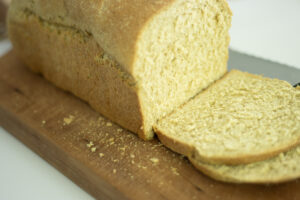
Easy Soft Freshly Milled Sandwich Bread (100% Whole Wheat, Beginner Friendly)
Which Is Better: Fresh Milled Flour or Store-Bought Whole Wheat Flour?
Honestly, I don’t think there’s one right answer for everyone.
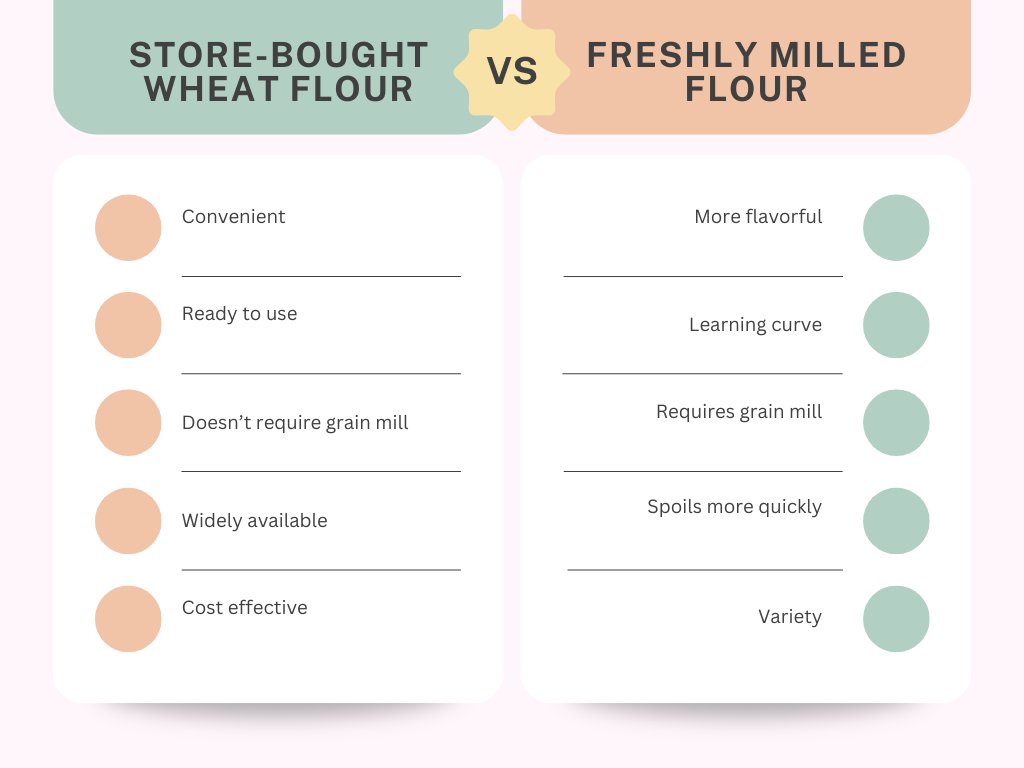
Fresh Milled Flour Pros:
- Fresher
- More flavorful
- Softer end products
- More control of flavor with different wheat berry varieties
Store-Bought Wheat Flour Pros:
- More convenient
- No need for a grain mill
- Predictable results and ready to use
My Favorite Things About Baking With Fresh Milled Flour
For me, the biggest reason I mill my own flour isn’t just one thing. It’s the combination of flavor, variety, and the experience of milling wheat berries and turning them into bread.
- Flavor – The fresh flavor of just-milled flour is unlike anything else. Nutty and slightly sweet, bread products are bursting with this flavor!
- Customization – I love that I can choose between several different wheat varieties for different flavors and baking profiles.
- The experience – I personally LOVE milling wheat berries and baking bread right away. The experience is so rewarding!
- Experimenting with new varieties – I also like the fact that I can branch out and try different wheat varieties and combine them with others for a custom flavor!
Shop this post
Grain Mill: NUTRIMILL HARVEST
Stand Mixer: NUTRIMILL ARTISTE
Grains: ANCIENT GRAINS
Best Whole Grain Flour: SUNRISE HERITAGE FLOUR
Frequently Asked Questions
Both fresh milled flour and store-bought whole wheat flour are whole-grain flours when they contain the entire wheat kernel. Fresh milling does give you flour at its freshest point, and storing whole-grain flour for longer periods can affect its flavor and freshness. However, store-bought whole wheat flour is not inherently unhealthy simply because it wasn’t milled at home.
In my opinion, yes fresh flour just tastes better than store bought. It has a sweeter, nuttier flavor compared to a more bitter flavor with store bought.
Yes, you can often substitute freshly milled flour for store-bought whole wheat flour, but you may need to make adjustments to hydration and dough handling. For the most consistent results, weigh your flour rather than substituting cup-for-cup.
Not necessarily, but it will need more time to absorb it. I like to mix my flour with the liquid ingredients and let the dough soak for 30 minutes before adding salt and yeast and kneading.
I would highly suggest if you have leftover fresh milled flour that you either refrigerate it or freeze it to slow down the oxidation process. I suggest using it within a few months if stored in the freezer and within a few weeks if stored in the fridge.
Yes and No. Yes, in that they both come from milling wheat kernels, no, in that the way they are handled is quite different and the way they behave in baking.
The main difference is that store-bought wheat flour is pre-milled and packaged for convenience whereas fresh milled flour is milled fresh from whole wheat kernels using a grain mill.
In Conclusion
Fresh milled flour isn’t simply “whole wheat flour that is better.” It’s a different baking experience.
Store-bought whole wheat flour has its place, especially for convenience. But milling your own wheat gives you access to fresh flour, different wheat varieties, and a completely different relationship with the ingredients you’re baking with.